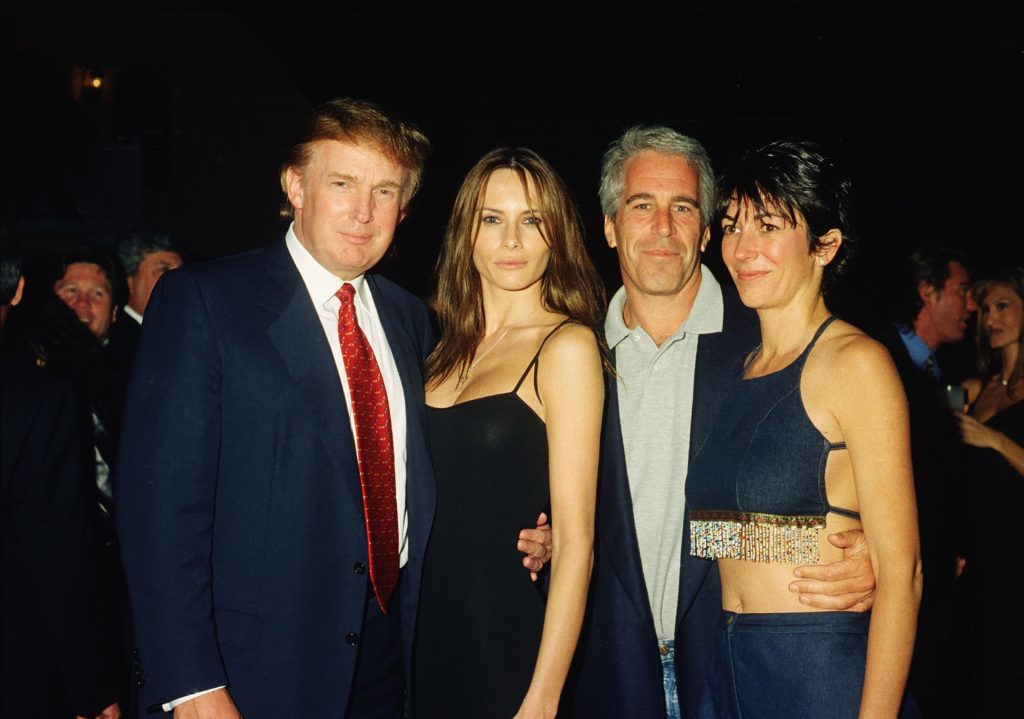
WASHINGTON — First Lady Melania Trump delivered a rare, surprise public address from the White House on Thursday, forcefully denying any relationship with convicted sex offender Jeffrey Epstein and his accomplice Ghislaine Maxwell. In a statement that has reignited the Epstein scandal, the First Lady called on Congress to hold public hearings for survivors of Epstein's abuse.
"I am not Epstein's victim," Melania Trump said, standing at a podium in the same room President Donald Trump used to address the nation regarding recent geopolitical tensions. "Epstein did not introduce me to Donald Trump," she added, describing rumors suggesting otherwise as "mean-spirited attempts to defame my reputation."
The First Lady stated she had never been friends with Epstein and possessed no knowledge of his crimes. "I have never had any knowledge of Epstein's abuse of his victims. I was never involved in any capacity," she said, characterizing the allegations as "lies" and "false smears." She urged media outlets and individuals to issue apologies for statements made about her in connection with the Epstein saga.
While President Trump has previously stated he did not know exactly what his wife would say, he later told reporters that she had a right to address the rumors. "I knew my wife wanted to address rumors about the late sex offender at some point, but I had not known exactly what she would say," Trump said in an interview. However, reports from the White House indicated that the President was not privy to the specific timing or content of the address prior to its delivery.
The First Lady's remarks have drawn mixed reactions from survivors and political figures. A group of more than a dozen Epstein abuse survivors accused the First Lady of "shifting the burden" onto victims, arguing that her call for hearings diverts attention from other ongoing investigations. Some survivors have specifically called for former Attorney General Pam Bondi to be questioned regarding her handling of Epstein files.
Conversely, the statement prompted immediate action from congressional leadership. House Oversight Committee Chair James Comer (R-Ky.) vowed to hold hearings with Epstein victims, stating he had "always planned on having hearings with the victims" regardless of the First Lady's intervention. The committee is currently investigating the Epstein case, and Democrats on the panel have subsequently called for Melania Trump to testify before them as part of their probe.
The address marks a significant departure from the First Lady's usual low profile. Media analysts noted that the timing of the speech, occurring while focus had been on international conflicts and a fragile ceasefire agreement, was unexpected. While some commentators suggested the move might be an attempt to "set the record straight" ahead of potential damaging stories, others questioned whether the specific accusations that spurred the response were ever clearly identified.
The First Lady's statement also addressed her social history, admitting she attended the same parties as Epstein but maintaining that no relationship existed. She described Epstein as "disgraceful" and emphasized her desire to defend her good name against what she termed a coordinated smear campaign.
As the House Oversight Committee prepares to move forward with its investigation, the First Lady's intervention has placed her squarely into a political controversy that the administration had previously sought to move past, while simultaneously aligning with calls for greater transparency regarding Epstein's victims.