El Niño Expected to Dampen 2026 Hurricane Season Amid Complex Climate Interactions and Emerging Disease Outbreaks
-
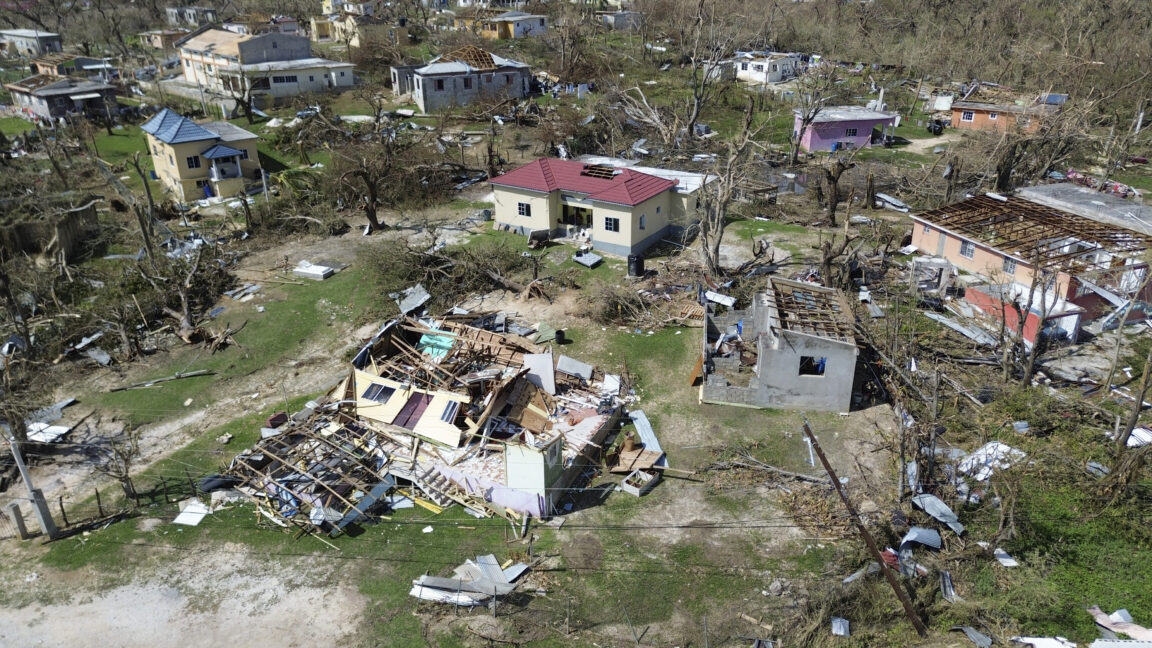
Why the 2026 Hurricane Season Might Not Be That Bad The impending arrival of El Niño will help keep the number of storms low. But it only takes one landfall to create a catastrophe.
Compare 1 other version
Ars TechnicaForecasters predict below-average hurricane season, advise against complacency Forecasters say expected El Niño should temper hurricanes in Atlantic, urge preparedness.
-
Here’s What a Super El Niño Could Mean for the Climate Crisis Scientists are still untangling the complex relationship between El Niño and human-driven warming, but their confluence has major implications for extreme weather and global temperatures.
Compare 1 other version
Ars TechnicaScientists said this week that a developing El Niño is likely to amplify heatwaves, droughts and floods this year, but warned that the long-term warming caused by burning fossil fuels remains the main driver of climate extremes.
-
Hantaviruses typically are zoonotic (animal-to-human) diseases that spread through contact with infected rodents or their droppings. This outbreak, however, is being caused by a species that can be transmitted between people, the Andes virus. And the World Health Organization and other groups have stated that more cases may emerge in the weeks to come, including secondary infections caught outside the cruise. At the same time, WHO officials have also consistently stated this outbreak poses a low risk to the public, even explicitly saying this is not “another covid” in reference to the covid-19 pandemic that caused widespread deaths and illnesses starting just six years ago.
Compare 2 other versions
WiredThe Andes virus is a strain of hantavirus found in South America that can be transmitted from person to person. Typically, hantavirus is passed to humans when they come into contact with rodent droppings or urine. A respiratory virus, the disease can cause difficulty breathing and carries a fatality rate of around 35 percent. As of Thursday, the World Health Organization has confirmed 11 cases of the Andes virus among passengers of the MV Hondius cruise ship, including three deaths.
Ars TechnicaIn a press briefing Friday, officials for the World Health Organization announced that the case count of the hantavirus outbreak on the cruise ship MV Hondius in the South Atlantic has shrunk from 11 cases to 10 after a previously reported US case was found to be a false positive.
3 details only one outlet reported
Independent claims that didn't surface elsewhere in our corpus. Treat as supplementary — not corroborated across outlets.
-
01 Wired California's Wildfire Season Is Already Overactive Major fires are threatening homes and ecologically sensitive areas following a hot, dry winter.
-
02 Ars Technica That US case was originally reported by US health officials as “mildly positive,” and the WHO had considered it “inconclusive,” but still counted in the outbreak as a case in the agency’s May 13 outbreak report and in a briefing on May 14.
-
03 Gizmodo It’s an assessment that I completely agree with, for reasons I’ve gone over before. Yet this outbreak can’t help but make many people, myself included, wonder just how well we would fare if a pandemic-level threat did cross our path again in the near future. One 2021 study estimated that another pandemic on the scale of covid-19 is likely to arrive sometime in the next six decades, within many of our lifetimes.
Fact Corroboration
Which sources independently confirm the same facts. Hover a claim to see its sources, or a source to see what it corroborates.
Coverage by Perspective
Source Similarity
Connections show how similarly each outlet covered this story. Thicker lines = more similar framing.
Sources (3)
- wired
- gizmodo
- arstechnica