WASHINGTON — President Donald Trump indicated on Tuesday that the United States could withdraw from its military campaign in Iran within two to three weeks, signaling a potential de-escalation that sent global stock markets rallying and oil prices fluctuating amid the ongoing conflict. The President stated he believes U.S. military goals have been largely accomplished, though he noted the withdrawal would occur regardless of whether a formal deal is reached.
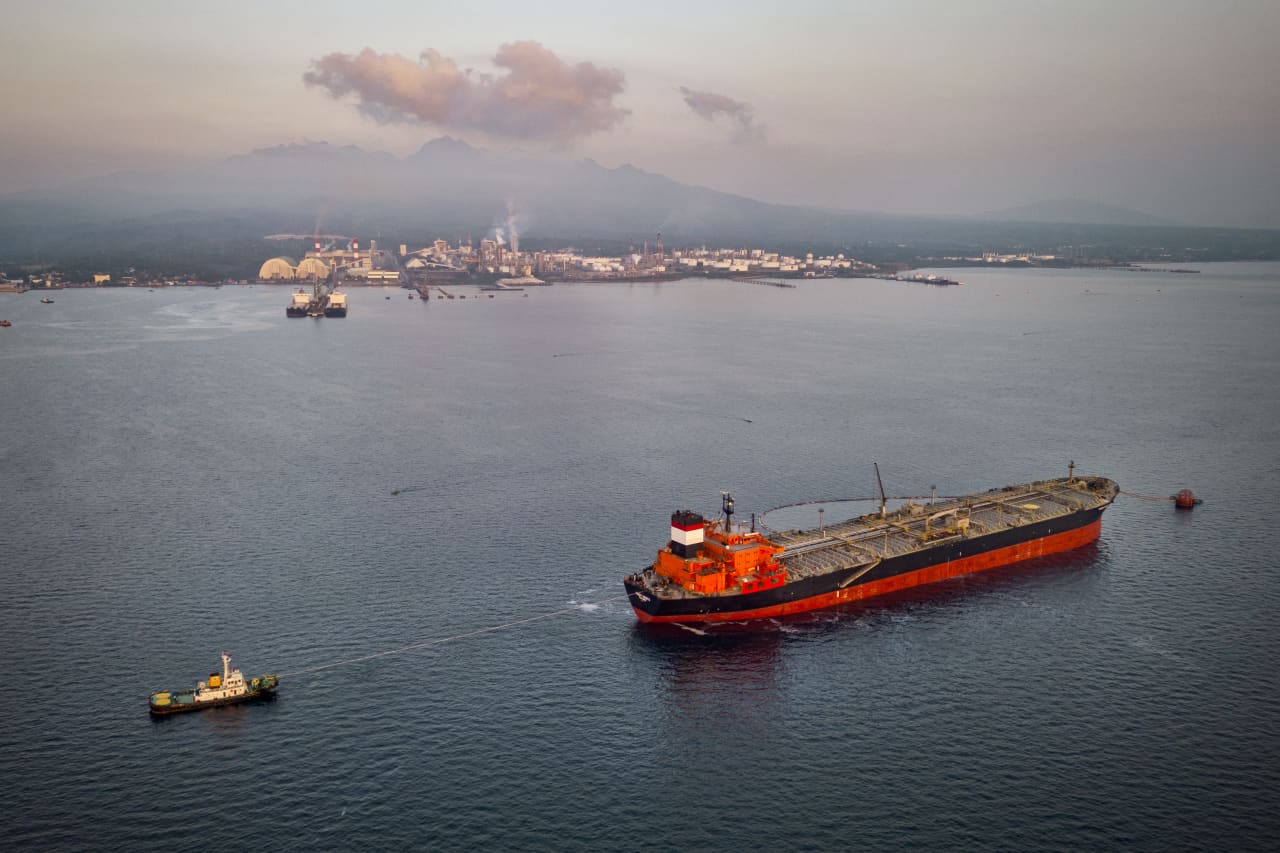
The comments came as the Strait of Hormuz, a critical global energy chokepoint, remains largely closed following Iran's retaliatory measures after U.S. and Israeli strikes began in late February. The disruption has sent Brent crude oil prices soaring, with futures reaching record highs for the month of March. Consequently, the average price of gasoline in the United States has surpassed $4 per gallon for the first time since 2022, according to data from AAA.
Trump's remarks sparked a significant reaction in financial markets. Asian stocks rallied the most in nearly a year, while U.S. equities posted their best day since May, with the Dow Jones Industrial Average surging over 1,100 points. Investors appeared to price in a resolution to the conflict that had previously threatened to derail economic growth and fuel inflation. However, analysts warned that optimism could be premature if the closure of the Strait persists.
"We leave because there's no reason for us to do this," Trump told reporters, suggesting the U.S. would leave it to other nations to resolve issues regarding the waterway. Despite this, Iranian President Masoud Pezeshkian reiterated that Tehran requires specific security guarantees before ending the war, including assurances against future attacks. The Iranian leader outlined a five-point framework for peace that remains unchanged since March 25.
The economic fallout from the conflict has been widespread. In Europe, inflation jumped to its highest level since 2022 as energy costs surged, prompting concerns that the European Central Bank may need to raise interest rates despite growth slowing. Germany's economic forecast was cut in half by the conflict, while Australian manufacturing slipped into contraction due to cost pressures. In the U.S., farmers face a 25% price hike on fertilizer as Gulf state exports are disrupted, just as planting season begins.
Diplomatic tensions have also escalated alongside the fighting. Israel announced it is halting arms purchases from France in a rebuke of Paris's stance on the war, while Secretary of State Marco Rubio issued veiled threats against NATO allies that have blocked U.S. military flights over their airspace. Meanwhile, reports emerged that Pentagon Secretary Pete Hegseth's broker attempted to make a multimillion-dollar investment in weapons stocks weeks before the war began, according to The Financial Times.
Market volatility has been sharp. While risk assets rallied on the news of a potential exit, gold logged its worst month since 2008 due to fears that the energy shock would force central banks to maintain higher rates for longer. Silver also suffered significant losses, and the cost of insuring Asian investment-grade debt fell as hopes for an off-ramp grew.
The war has also disrupted supply chains beyond energy. New York sent jet fuel to England in an unusual reroute as global aviation supplies tightened, and Asian nations are increasingly turning to Russian oil to fill gaps left by the Iranian closure. In a sign of shifting energy policies, Indonesia pivoted to expand its biodiesel mandate as vegetable oil supplies tightened.
As the conflict enters its fifth week, the administration faces a complex economic landscape. Federal Reserve Chair Jerome Powell stated that policymakers should look past rising energy prices and see no immediate need to hike interest rates, though some economists warn that a prolonged conflict could trigger stagflation. With the U.S. economy already showing signs of strain, the window for a diplomatic resolution remains narrow as global markets brace for further turbulence.