Major U.S. Airlines Hike Checked Bag Fees Amid Surge in Jet Fuel Costs Linked to Iran Conflict

Broke: Updated:
Major U.S. Airlines Hike Checked Bag Fees Amid Surge in Jet Fuel Costs Linked to Iran Conflict
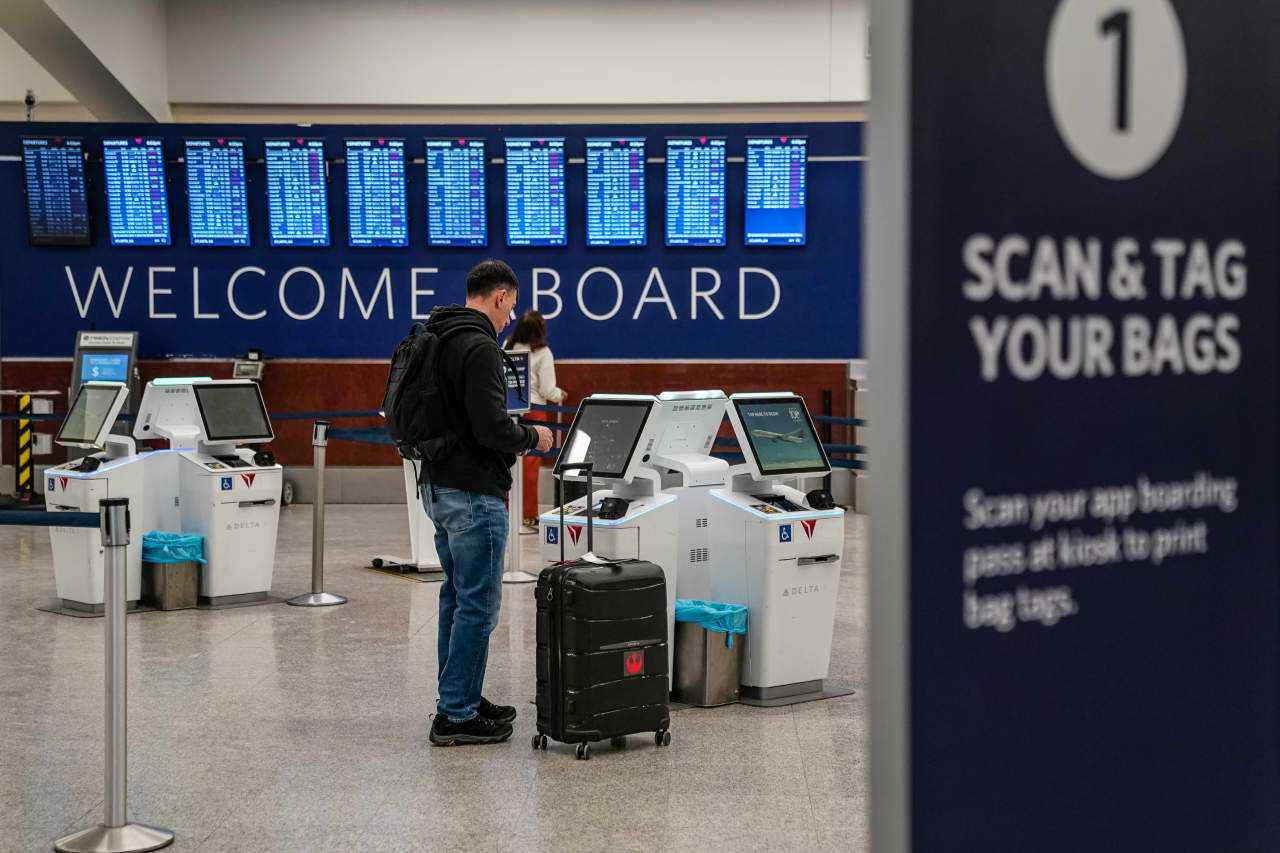
Photo: MarketWatch

Major U.S. carriers including American Airlines, Delta Air Lines, United Airlines, and JetBlue Airways have announced significant increases to their checked baggage fees. The moves come as the aviation industry grapples with soaring jet fuel prices driven by geopolitical tensions and supply disruptions related to the ongoing conflict in Iran.

American Airlines stated it would raise fees by $10 for both the first and second checked bags on domestic and short-haul international flights, effective Thursday. The airline also increased the cost of a third checked bag by $50 to $200. Delta Air Lines, which has not raised domestic baggage fees in two years, implemented a $10 increase per bag. United Airlines and JetBlue Airways have similarly raised fees by up to $10, joining the industry-wide trend.

Industry analysts attribute the cost hikes primarily to a sharp spike in jet fuel prices. According to CNBC, fuel costs have nearly doubled in the U.S. following attacks by the United States and Israel on Iran. The New York Harbor jet fuel benchmark reportedly doubled in just five weeks, while United Airlines noted a more than 80% jump in fuel costs over the same period. Bloomberg reported that the effective closure of the Strait of Hormuz by Iran has stranded a significant proportion of global jet fuel shipments, forcing refineries in Asia to cut production.

In response to the financial pressure, airlines have also begun cutting flights. BBC Business reported that carriers are reducing services and lifting ticket costs as fuel prices surge. The disruptions have created a ripple effect across the global aviation sector, with some industry observers warning of potential bankruptcies. A billionaire Dubai-based jet tycoon warned that global airlines could face insolvency as the war in Iran suppresses travel demand and inflates fuel costs.

Delta officials acknowledged the difficult decision, stating in a report to Fortune that while fee increases are never ideal, they are implementing the changes only when necessary. The fee hikes represent another financial burden for travelers already dealing with increased airfare and long security lines at Transportation Security Administration (TSA) checkpoints.

The impact extends beyond commercial travel. CNBC reported that the cost to fly private has risen by as much as 20% due to soaring fuel prices. While deep-pocketed travelers may be less likely to be priced out of the market, they face unexpected fees associated with the war and rising operational costs.

The coordinated fee increases mark a significant shift in airline pricing strategies as the industry attempts to offset rising operational expenses. With fuel prices continuing to climb, carriers are adjusting their fee structures to maintain profitability in an increasingly volatile market.

Coverage Analysis

The coverage of airline fee hikes reveals distinct editorial priorities and framing strategies across the political spectrum, moving beyond simple reporting to shape the narrative around why prices are rising and who is responsible.

Framing of Causality: Geopolitics vs. Market Mechanics

  • Lean Left (Fortune): The framing is heavily contextualized around corporate responsibility and the human element. By quoting Delta officials stating fee increases are 'never ideal' but 'necessary,' Fortune frames the decision as a reluctant, defensive measure taken by management. The narrative emphasizes the burden on the consumer ('never ideal') while acknowledging the external pressure, softening the corporate image.
  • Center (CNBC/MarketWatch/Bloomberg): These outlets adopt a macroeconomic and supply-chain focus. The language is technical and data-driven, citing specific benchmarks (e.g., 'New York Harbor jet fuel benchmark doubled') and global logistics ('Strait of Hormuz'). The framing is 'informational,' treating the fee hikes as a logical, inevitable market correction to geopolitical shocks. The omission of corporate quotes suggests a focus on the 'what' and 'how much' rather than the 'why' from a corporate perspective.
  • Lean Right (New York Post/ZeroHedge): The framing shifts toward alarmism and the 'third-order effects' of government intervention or foreign conflict. ZeroHedge uses terminology like 'Third Order Effects' and 'energy shock,' framing the situation as a systemic collapse beginning. The New York Post focuses on immediate consumer pain points ('Here's what you need to know') but amplifies the threat of bankruptcy via the 'billionaire jet tycoon' quote. This framing suggests a narrative of impending market failure and the fragility of the industry under current pressures.

Emphasis on Consequences: Consumer Burden vs. Systemic Risk

  • Lean Left: The emphasis is on the cumulative burden on the traveler. By linking fee hikes to 'long security lines' and 'increased airfare,' the narrative paints a picture of an exhausted consumer base. The story is framed as 'another financial burden,' implying a pattern of corporate greed or systemic failure affecting the average person.
  • Center: The emphasis is on industry-wide trends. The coverage aggregates data across multiple carriers (American, Delta, United, JetBlue) to show a coordinated industry shift. The inclusion of the private aviation sector (CNBC's 20% rise) broadens the scope to show that even 'deep-pocketed travelers' are affected, suggesting a universal economic impact rather than just a working-class issue.
  • Lean Right: The emphasis is on existential threat. The headline about airlines going 'bankrupt' and the use of terms like 'squashes travel demand' creates a sense of crisis. The focus is less on the individual consumer's $10 fee and more on the potential collapse of the entire aviation sector, appealing to a narrative of economic instability.

Language and Sourcing Differences

  • Fortune (Lean Left): Uses empathetic language ('difficult decision,' 'never ideal'). Sourcing is primarily internal (airline officials), humanizing the corporate response.
  • CNBC/Bloomberg (Center): Uses precise, analytical language ('benchmark,' 'supply disruptions,' 'effective closure'). Sourcing is external and data-centric (analysts, market reports), reinforcing objectivity through numbers.
  • New York Post/ZeroHedge (Lean Right): Uses sensationalist and urgent language ('spike,' 'soar,' 'squashes,' 'bankrupt'). Sourcing relies on dramatic external warnings (the billionaire tycoon) and broad generalizations ('Third Order Effects'), prioritizing emotional resonance over granular data.

Omissions and Inclusions

  • Lean Left: Omits the specific geopolitical details of the Strait of Hormuz closure, focusing instead on the airline's internal justification. This omission keeps the focus on the corporate-consumer relationship.
  • Center: Omits the dramatic 'bankruptcy' warnings, sticking to 'potential bankruptcies' as a warning from observers rather than a certainty. This maintains a balanced, analytical tone.
  • Lean Right: Omits the nuanced corporate quotes about 'necessity.' Instead, it highlights the 'billionaire' warning and the specific mechanics of the fee hike as a direct consequence of war, reinforcing a narrative where external conflict directly drives economic ruin.

Why This Matters: The differences in coverage dictate how the public perceives the airline industry's actions. The Left-leaning view encourages empathy for travelers and scrutiny of corporate necessity. The Center view encourages understanding of global market forces. The Right-leaning view fosters anxiety about economic stability and the broader consequences of geopolitical conflict. Each outlet selects specific facts to support a narrative that aligns with its audience's worldview: corporate accountability, market mechanics, or systemic fragility.

Coverage by Perspective

Lean-Left
1
Center
8
Lean-Right
5

Source Similarity

Connections show how similarly each outlet covered this story. Thicker lines = more similar framing.

Sources (7)

  • marketwatch
  • nypost-biz
  • fortune
  • bbc-biz
  • zerohedge
  • cnbc
  • bloomberg

Original Articles (14)