Google I/O Approaches with Focus on Gemini Integration and Android Updates
-
Google I/O is imminent. This is the annual developer event and product showcase where Google shows off all the shiny new updates to its Android operating system and other platforms, as well as new features and improvements to its artificial intelligence models.
Compare 6 other versions
ZDNetFollow ZDNET: Add us as a preferred source on Google. Google I/O, the company's annual developer conference, is kicking off today after several weeks of hype. The company teased a bit of what's to come last week when it announced Googlebook, a new line of devices, alongside several Android updates that heavily incorporate AI.
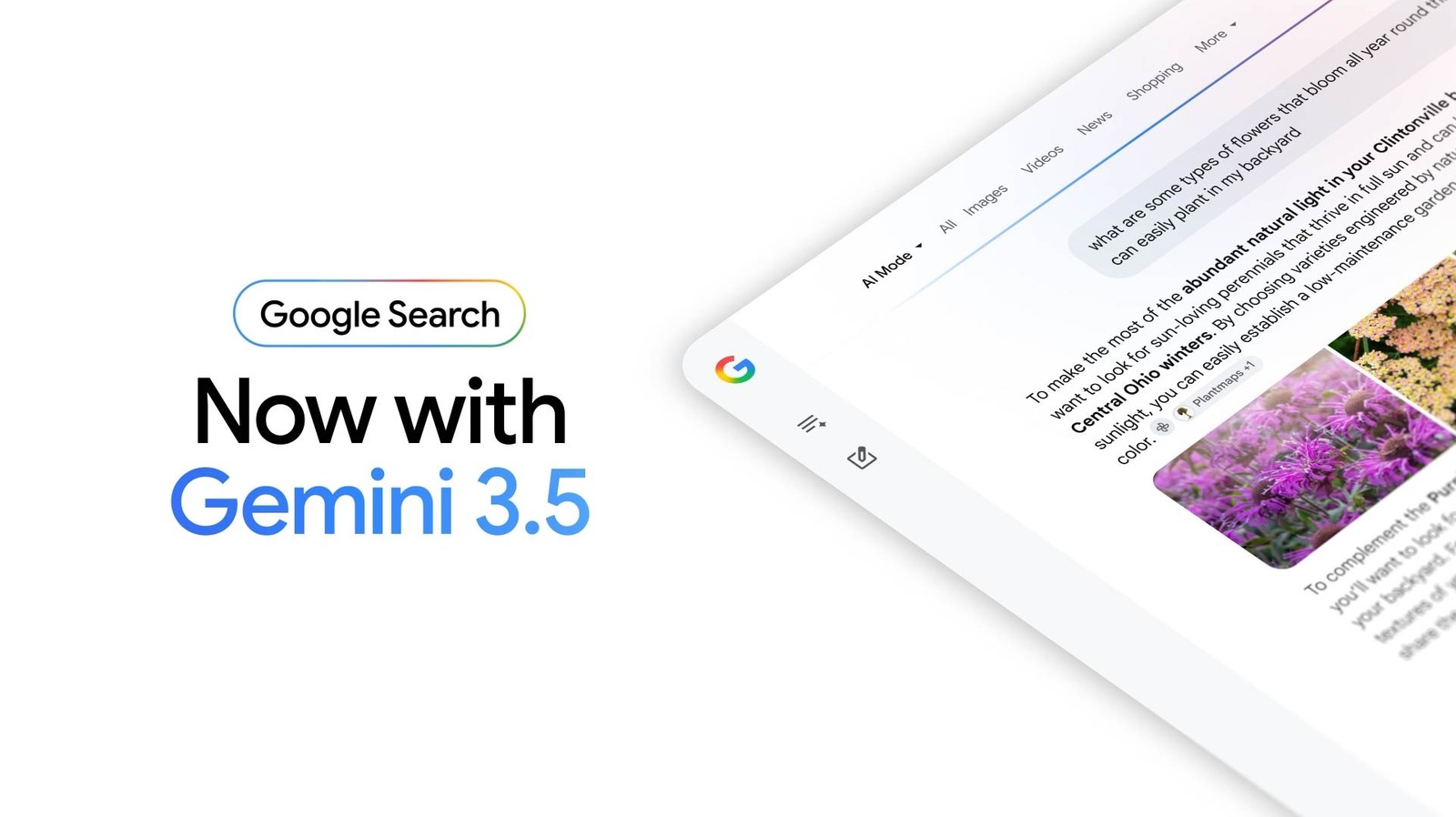
The VergeThe 13 biggest announcements at Google I/O 2026 Google's I/O 2026 keynote today was once again full of AI-related announcements including a new family of Gemini 3.5 AI models, new features for Search and Gmail, and updates about its Project Aura smart glasses. If you weren't able to tune into the event's livestream today or follow along with our live blog, you can […]
EngadgetGoogle already announced the bulk of the Android news that's tied to the event. It talked up a new line of Googlebook laptops, Gemini Intelligence and a bunch of Android 17 features. As for what to expect from Google I/O 2026, there will be a lot of news about what the company's been up to with AI.
CNETLive Google I/O follows up from last week's Android Show By Mike Sorrentino Google I/O will kick off a week after the company showed several new Android and Gemini features at this year's Android Show. Many of these AI-related announcements included the ability to command Gemini to book appointments on your behalf, an enhanced auto-fill that can pull your personal information from other places on your phone and the ability to create your own custom widgets that can automatically refresh with new information as needed.
GizmodoIf I/O 2025 was any indication, we expect updates on the progress of Android XR, the company’s AR and XR platform for smart glasses and headsets, as well as endless announcements about Gemini and the Veo video generator. Google should also have some news on the next version of its mobile OS, Android 17.
TechCrunchGoogle takes a page out of Meta’s book, announces new audio-powered smart glasses at IO 2026 Google is calling the new devices "audio glasses," in that users will be able to issue verbal commands to them and get things done via its ecosystem of apps and services, including Gemini.
-
Even without those hints, the company's main message has been clear lately: Gemini is about to be in everything, and making agentic AI more accessible is the focus for the foreseeable future.
-
So, what's next? I'd like to see how the company upsells its youngest Android platform to developers, especially given that Apple may be on the cusp of releasing its own pair of AI-infused smart glasses.
-
Googlebook is described as more premium, with a more natural integration with Android phones than competing systems. That includes better app mirroring, faster file transferring across different services, and intuitive Gemini tools.
1 detail only one outlet reported
Independent claims that didn't surface elsewhere in our corpus. Treat as supplementary — not corroborated across outlets.
-
01 Gizmodo I’m looking forward to trying out this new “Gemini Intelligence.” But I’m a bit concerned many consumers might not get a chance to experience it due to high Android hardware requirements. According to a footnote on Android’s official website (via 9to5Google), Gemini Intelligence requires a device with 12GB of RAM and a “qualified SOC flagship chip,” and it must receive five Android OS updates and support AI Core and Gemini Nano v3 (or higher). That means even devices as recent as the Pixel 9 series and the base Samsung Galaxy Z Fold 7 might not qualify.
Fact Corroboration
Which sources independently confirm the same facts. Hover a claim to see its sources, or a source to see what it corroborates.
Coverage by Perspective
Source Similarity
Connections show how similarly each outlet covered this story. Thicker lines = more similar framing.
Sources (7)
- techcrunch
- gizmodo
- verge
- cnet
- wired
- zdnet
- engadget