Google Agrees to Provide Gemini AI for Classified Military Use Amid Leadership Changes at Competitor
-
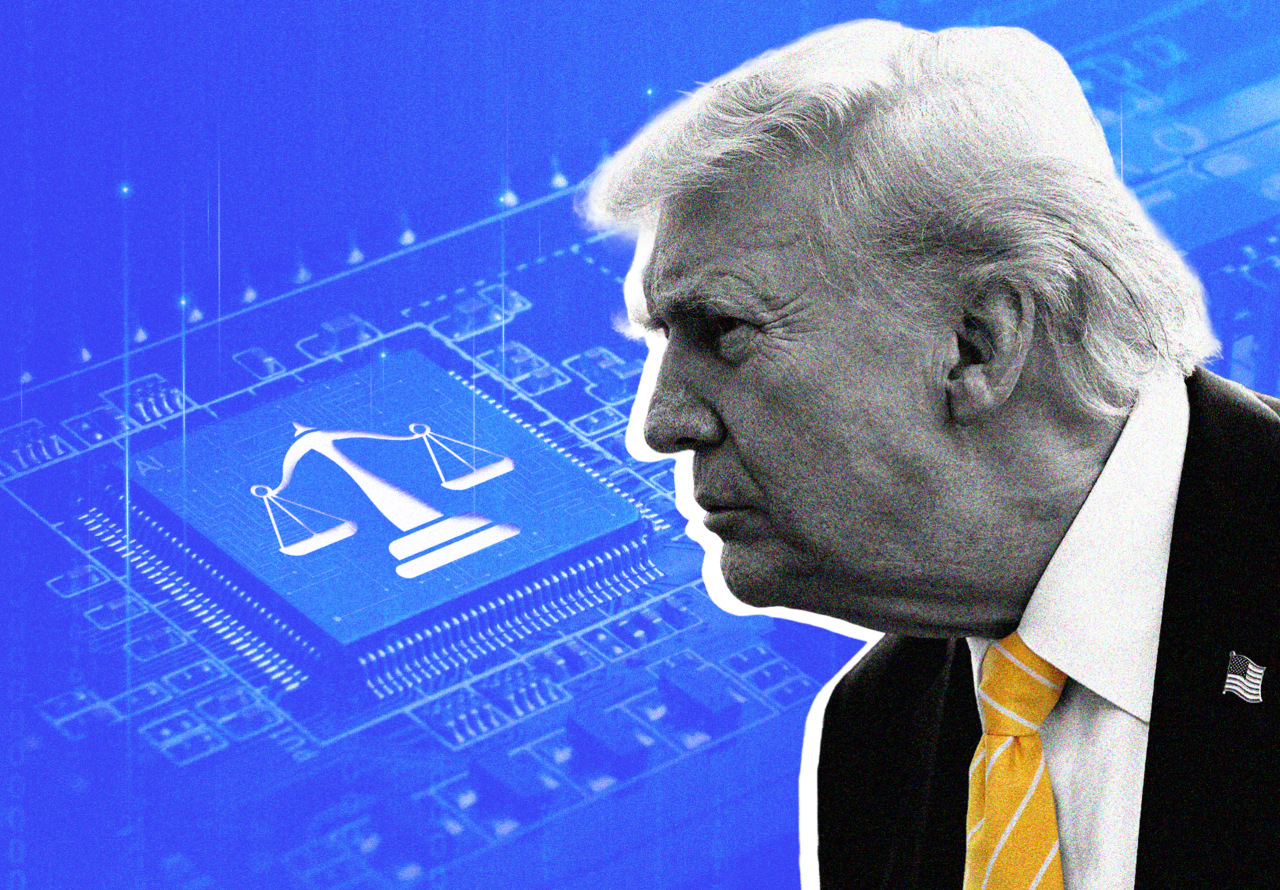
Last week, Google agreed to let the U.S. Department of Defense use its Gemini AI models inside classified military networks for “any lawful purpose,” a deal critics say could open the door to autonomous weapons and mass surveillance of American citizens with few enforceable limits. Google is not the only leading AI lab to sign such a deal—OpenAI, xAI, Nvidia, Microsoft, and Amazon have all agreed to similar contracts. Only Anthropic has refused, resulting in the Pentagon ordering the military and all defense contractors to stop using its products and labeling it a “supply chain risk,” a designation Anthropic is challenging in court.
Compare 6 other versions
Financial TimesAgreement with the tech groups follows concerns about Anthropic’s latest Mythos model
New York Post BusinessGoogle's DeepMind agreed to the government's new "pre-deployment evaluations," according to a press release. Mojahid Mottakin - stock.adobe.com Elon Musk's xAI signed the new agreement, according to the government. REUTERS
MarketWatchThe Defense Department said it had agreements with Nvidia NVDA, Microsoft MSFT and Reflection, a startup that has raised at least $2 billion to build open AI models. Alphabet’s GOOG GOOGL Google and Amazon’s AMZN AWS cloud business also notched deals with the Department of Defense.
ZeroHedgeThe Department of War has finalized agreements with OpenAI, Google, SpaceX/xAI, Microsoft, Amazon, Nvidia, and Reflection AI to deploy AI tools in "classified settings." This means these tools will operate within secure government networks where sensitive or secret national security information is handled, according to The Wall Street Journal.
BBC BusinessIn the meantime the row appears to have opened the door for other AI companies to work more closely with the government and military.
CNBCThe Center for AI Standards and Innovation on Tuesday announced agreements with Google DeepMind, Microsoft and Elon Musk's xAI that will allow the U.S. government to evaluate artificial intelligence models before they are publicly available.
-
Fall was recently announced as the center’s director after ex-Anthropic researcher Collin Burns was pushed out following just four days on the job, according to the Washington Post. The change in leadership came as the White House and Anthropic have been feuding over safety policies.
Compare 1 other version
FortuneAt the end of April, Chris Fall, who served as an Energy Department official in the first Trump administration, was tapped to lead the rebranded CAISI, with a Commerce Department spokesperson saying “Dr. Fall brings the scientific leadership needed to ensure America leads the world in evaluating frontier AI models and advancing the technical standards that protect our national and economic security.” Fall replaced Collin Burns, a former member of Anthropic’s technical staff, who was dismissed from his position after just days on the job, with unnamed Trump administration officials telling reporters that they had not been informed of Burns’ appointment.
-
A spokeswoman for Google's DeepMind declined to comment. A representative of SpaceX, the Elon Musk company that now controls xAI, did not respond to a request for comment.
6 details only one outlet reported
Independent claims that didn't surface elsewhere in our corpus. Treat as supplementary — not corroborated across outlets.
-
01 MarketWatch After promising a hands-off approach to AI innovation, the government may tighten oversight on tech giants’ models
-
02 Fortune In an interview on Fox Business this morning, White House National Economic Council Director Kevin Hassett said the administration is studying a possible executive order that would create “a clear road map” for how advanced AI systems should be evaluated before release.
-
03 BBC Business The tech firms have agreed to voluntarily submit their models for testing through Commerce's Center for AI Standards and Innovation (CAISI).
-
04 CNBC The White House told CNBC that discussion about potential executive orders is speculation, and that any policy announcement will come directly from President Donald Trump.
-
05 New York Post Business Previous agreements with Anthropic and OpenAI have also “been renegotiated” to reflect Commerce Secretary Howard Lutnick and President Trump’s new directives on security reviews, the center said.
-
06 ZeroHedge A Reflection spokeswoman told the outlet, "This shared understanding with the Pentagon is a first step in supporting U.S. national security, and sets a precedent for how AI labs could work across the U.S. government, from supporting our servicemembers to our scientists."
Fact Corroboration
Which sources independently confirm the same facts. Hover a claim to see its sources, or a source to see what it corroborates.
Coverage by Perspective
Source Similarity
Connections show how similarly each outlet covered this story. Thicker lines = more similar framing.
Sources (7)
- marketwatch
- bbc-biz
- zerohedge
- fortune
- nypost-biz
- cnbc
- ft