WASHINGTON — President Donald Trump announced a two-week ceasefire with Iran on Wednesday, halting immediate threats of massive strikes against Iranian infrastructure just hours before a self-imposed deadline that had warned the "whole civilization" of Iran would face destruction. The agreement, confirmed by unnamed senior White House officials and reported by multiple outlets including CNN and Bloomberg, comes after a six-week conflict that has severely disrupted global oil markets and driven up energy costs for American consumers.
The ceasefire is conditional on Iran reopening the Strait of Hormuz, a critical waterway through which approximately 20% of the world's oil supply passes. While stock markets rallied on news of the pause in hostilities, with the Dow Jones Industrial Average surging over 1,300 points in premarket trading, analysts warn that the economic relief may be temporary. An analysis by the office of Sen. Ed Markey (D-Mass.) estimates that if gas prices remain at $4.14 per gallon, the average American motorist will pay nearly $1,100 extra for gasoline in 2026 due to the conflict.
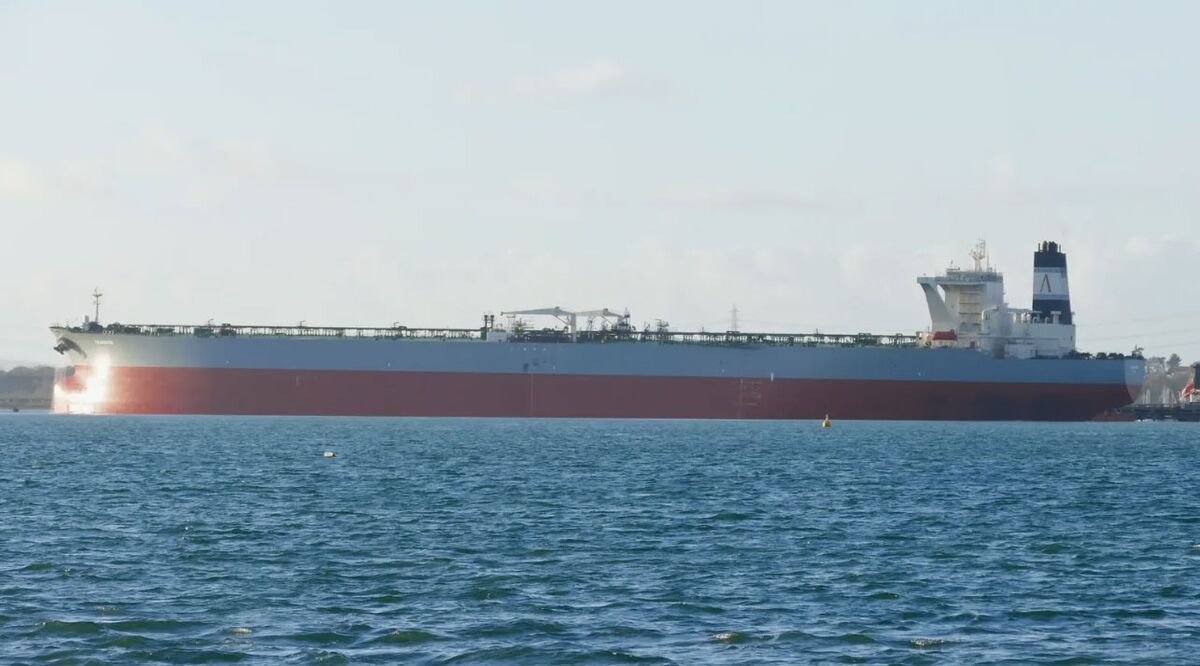
Despite the diplomatic breakthrough, reports indicate that traffic through the Strait of Hormuz remains severely restricted. As of Thursday morning, only seven ships were observed making the voyage out of the Persian Gulf, all with prior links to Iran. Bloomberg and other financial news services reported that normal transits in both directions typically number around 135 a day. Iran has reportedly allowed Iraqi ships to pass, potentially releasing up to 3 million barrels of oil daily, but has maintained control over access for other vessels.
The path to the ceasefire was marked by extreme rhetoric and military escalation. On Tuesday, President Trump threatened on his Truth Social platform that "a whole civilization will die tonight" if Iran did not reopen the strait. This statement drew sharp condemnation from human rights groups, including Amnesty International, and Iranian officials who labeled the remarks as genocidal intent. The conflict has already seen significant military action, including U.S.-Israeli strikes on Iranian civilian infrastructure such as power plants and bridges. On Friday, Iran claimed to have shot down a U.S. F-15E fighter jet over Tehran; the Pentagon confirmed that one crew member was rescued after a search operation in mountainous terrain, while the status of a second airman remained unclear until later reports confirmed his recovery.
Financial markets have reacted with volatility throughout the crisis. Oil prices surged past $100 per barrel and approached $115 as fears of a prolonged war gripped traders. Gold prices also climbed as investors sought safe-haven assets. However, the announcement of the ceasefire caused a sharp drop in oil prices and a rally in equities. Despite this, major financial institutions caution that the deal is fragile. The International Maritime Organization has warned against Iran's reported tolling regime for ships passing through the strait, and some reports suggest that fees may still be charged in yuan or cryptocurrencies.
President Trump has since expressed optimism about the negotiations, telling ABC News he is "very optimistic" about a deal. However, he also issued new warnings regarding Iran charging fees for passage and threatened further attacks if the strait remains blocked. "If it's charging tankers to transit the Strait of Hormuz, they better stop now," Trump said. The administration is also considering a "joint venture" to charge tolls for ships, according to reports from The Washington Times.
The ceasefire has not yet resolved the broader geopolitical tensions. Israeli Prime Minister Benjamin Netanyahu authorized direct talks with Lebanon, a move seen as part of the broader regional de-escalation effort. Meanwhile, Iran has rejected previous ceasefire proposals that did not include guarantees against future aggression. Iranian officials have warned that if the U.S. follows through with threats to attack civilian infrastructure, President Trump will be remembered as a "supreme war criminal."
Economists and energy experts warn that the impact on American consumers may persist regardless of the short-term truce. The National Iranian American Council has urged Congress to investigate potential war crimes and the destruction of civilian infrastructure. As the two-week window begins, the focus shifts to whether Iran will fully reopen the strait and whether the fragile diplomatic breakthrough can hold against a backdrop of deep-seated regional hostility.