US Interest Rates Surge, Impacting Global Borrowing Costs
-
The interest rate on US borrowing over 30 years hit 5.33% on Tuesday, the highest since June 2007, meanwhile UK long-term debt reached 5.85%. There were similar moves in Germany and Japan.
-
The high rates, known as yields, affect the rate the US government and major corporations can borrow money at, but also impact borrowing costs consumers pay on the likes of mortgages, car loans and credit cards.
-
Rising oil prices are main driver behind this recent surge in bond yields, as investors fear inflation could spike again.
Compare 1 other version
CNBCSovereign bond yields around the world are on the rise, with many on Wall Street pointing to rising oil prices and inflation fears as the culprits .
-
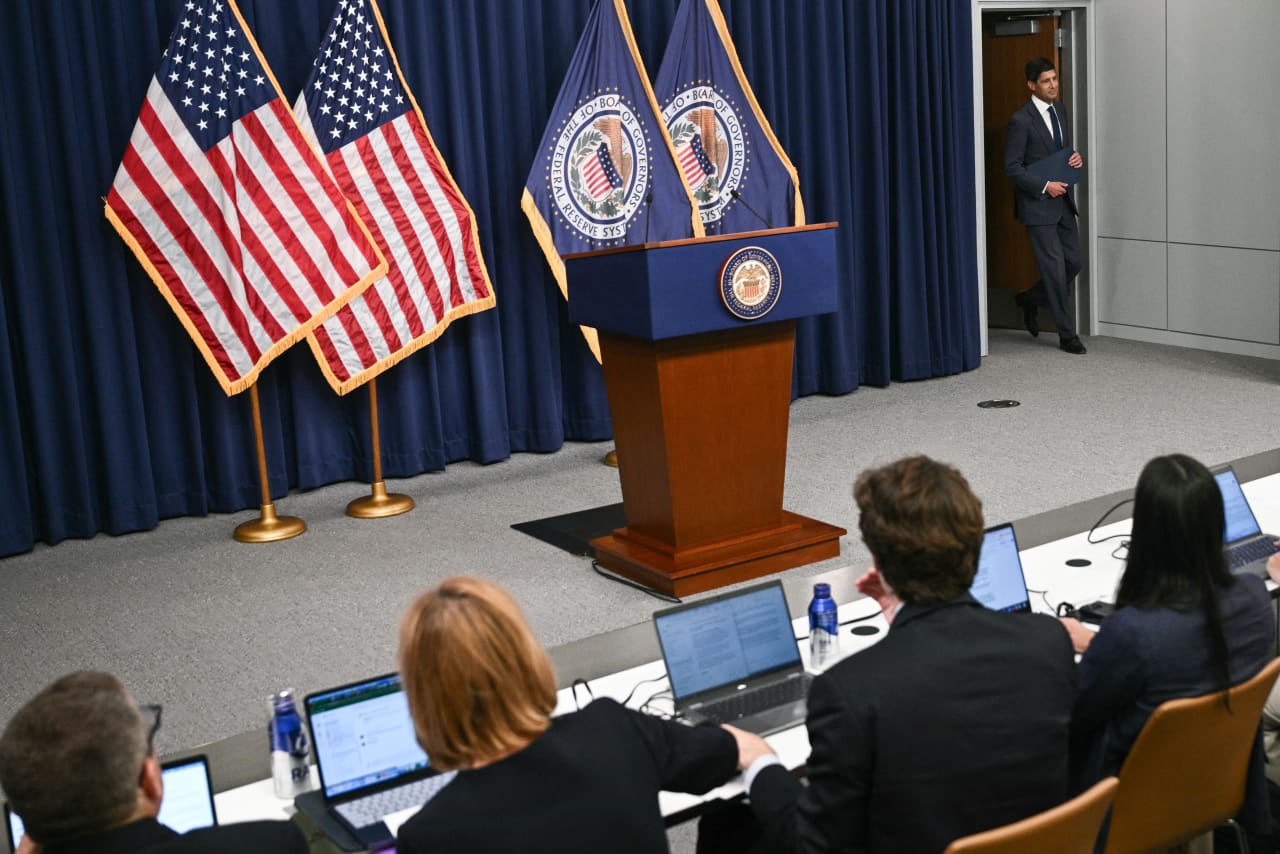
Federal Reserve officials indicated at their last meeting that they would need to raise interest rates soon unless there was more progress on bringing down inflation, minutes released Wednesday showed.
Compare 3 other versions
BloombergFed Minutes Show Many Officials Wanted Rate Hike in July Several Federal Reserve officials favored an interest-rate hike last month and many indicated that policy tightening would be necessary if inflation didn’t decline, a record of the central bank’s most recent policy debate showed. The next Fed decision comes in September. Bloomberg's Michael McKee reports. (Source: Bloomberg)
MarketWatchThe Fed Fed minutes reveal growing support for rate hikes When Federal Reserve officials met last month to discuss interest-rate policy, more officials were in favor of raising rates than at the previous meeting in June, according to minutes of the meeting, which were published Wednesday.
BBC BusinessMinutes released on Wednesday by the Federal Reserve, which sets US interest rates, revealed that concerns over inflation deepened among policymakers at its last meeting.
-
Global bond sell-off deepens amid fears over inflation and AI issuance Long-term government borrowing costs hit multi-decade highs
Compare 1 other version
BBC BusinessPublished Long-term borrowing costs across some of the word's biggest economies hit fresh highs because of concerns over inflation, government debt levels and spending on Artificial Intelligence (AI).
4 details only one outlet reported
Independent claims that didn't surface elsewhere in our corpus. Treat as supplementary — not corroborated across outlets.
-
01 BBC Business Published Long-term borrowing costs in the US eased on Wednesday after the Treasury department announced it would buy back more debt.
-
02 MarketWatch The record of the Fed’s meeting, released three weeks after its decision, showed that “several” officials favored raising interest rates. In June, only a “few” had supported tighter policy.
-
03 Financial Times Fed officials express rising concern over persistently high inflation Minutes from July central bank meeting show ‘many’ policymakers are prepared to increase borrowing costs
-
04 CNBC "Many participants assessed that policy tightening would likely be necessary if inflation did not decline," stated the summary of the meeting, held July 28-29. "Some participants commented that financial conditions might not currently be sufficiently restrictive to facilitate a return of inflation to 2 percent."
Fact Corroboration
Which sources independently confirm the same facts. Hover a claim to see its sources, or a source to see what it corroborates.
Coverage by Perspective
Source Similarity
Connections show how similarly each outlet covered this story. Thicker lines = more similar framing.
Sources (5)
- bbc-biz
- ft
- cnbc
- marketwatch
- bloomberg