LONDON/NEW YORK — Approximately $580 million in oil futures contracts changed hands in a narrow 60-second window just minutes before President Donald Trump announced a pause on military strikes against Iran, drawing scrutiny from market regulators and critics who allege insider trading based on non-public information.
According to data reported by the Financial Times and confirmed by multiple outlets, roughly 6,200 Brent Crude and West Texas Intermediate (WTI) futures contracts were traded between 6:49 a.m. and 6:50 a.m. New York time on Monday. This surge in volume occurred immediately prior to a Truth Social post by the President, which stated that he had instructed the Pentagon to postpone attacks on Iran's energy infrastructure for at least five days following what he described as "productive" peace talks.
The announcement triggered an immediate market reaction. Oil prices plummeted by as much as 14%, with Brent crude falling below $100 a barrel for the first time in nearly two weeks. Simultaneously, global stock markets rallied, with U.S. futures surging and the S&P 500 recovering from earlier losses.
However, the diplomatic narrative presented by the White House faces sharp contradiction. Iran's foreign ministry officially denied that any negotiations were taking place. In a statement released via Iranian news agencies, Tehran claimed the President "backed down" only after Iran threatened reciprocal strikes against energy facilities in West Asia. "There is no direct contact with Trump, not even through intermediaries," Fars News reported, citing an unnamed source.
The conflicting accounts have fueled speculation regarding the timing of the market movements. Nobel laureate economist Paul Krugman characterized the pre-announcement trading activity as "treason," while Common Dreams cited reports of "mind-blowing corruption" regarding the traders who positioned themselves to profit from the volatility.
The market turbulence comes as the conflict between the U.S.-Israel alliance and Iran enters its fourth week. Tensions escalated significantly after Iran launched missile strikes against Kuwait, Bahrain, and Israel, prompting the Trump administration to issue an ultimatum for Tehran to reopen the Strait of Hormuz within 48 hours.
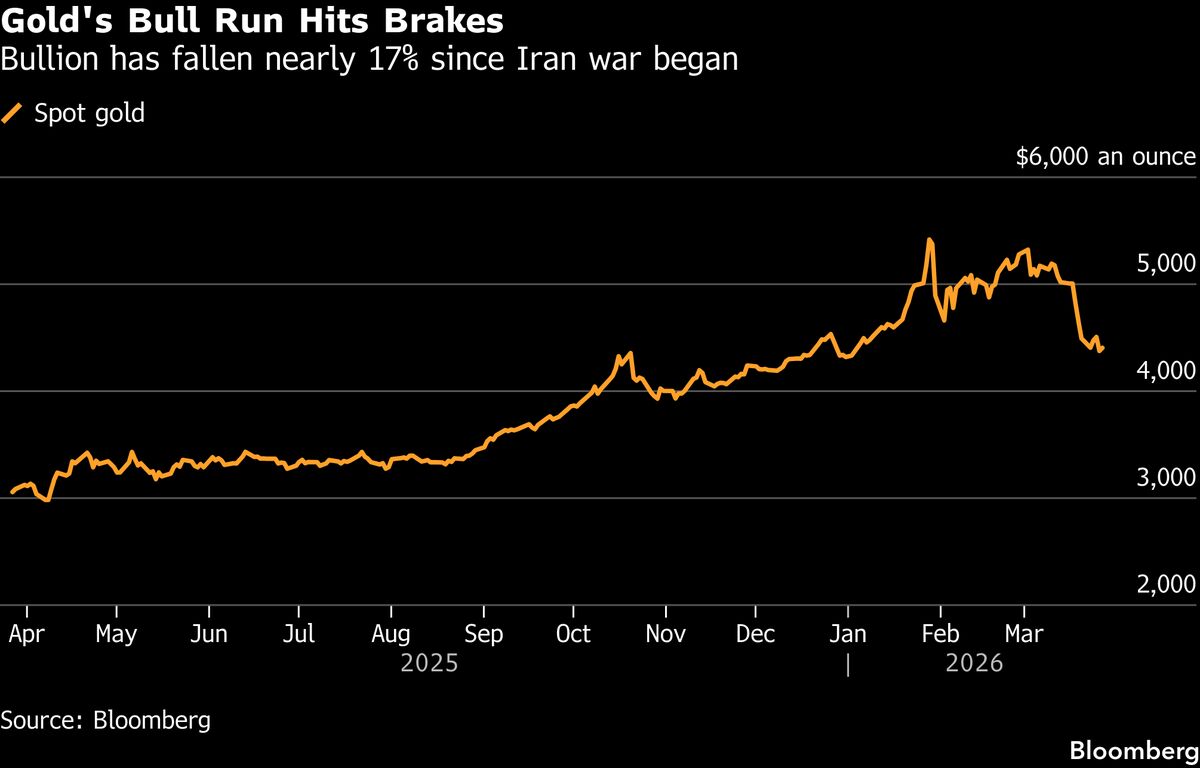
Prior to Monday's announcement, markets had been bracing for escalation. On Thursday, the S&P 500 closed down 1.7% amid doubts that a ceasefire would materialize, while oil prices climbed as high as $108 per barrel. Gold also experienced significant volatility, falling as much as 3.4% on Thursday before recovering slightly after Trump extended the pause on energy strikes.
The President's latest directive extends the deadline for potential military action against Iran's power plants to April 6. While Trump claimed on Truth Social that talks were "going very well" despite what he termed "erroneous statements" by the media, Iranian officials maintain that a 15-point peace plan delivered via Pakistan has been rejected.
The uncertainty continues to ripple through global markets. Asian equities rebounded following the news of the strike pause, but analysts warn that the conflicting signals from Washington and Tehran have left investors wary. The U.S. Treasury market saw yields tumble alongside the oil price drop, reflecting a flight to safety that was quickly reversed by the de-escalation news.
As of Monday evening, the U.S. and Israel continued airstrikes on Iranian targets, while Iran maintained its own missile attacks on neighboring states. The White House has not yet provided independent verification of the alleged peace talks, leaving the validity of the diplomatic breakthrough in question and the suspicious trading activity under review.