Global GLP-1 Market Shifts as Generics Flood India, Oral Pills Launch in U.S., and Retailers Eye $13B Windfall

Broke: Updated:
Global GLP-1 Market Shifts as Generics Flood India, Oral Pills Launch in U.S., and Retailers Eye $13B Windfall
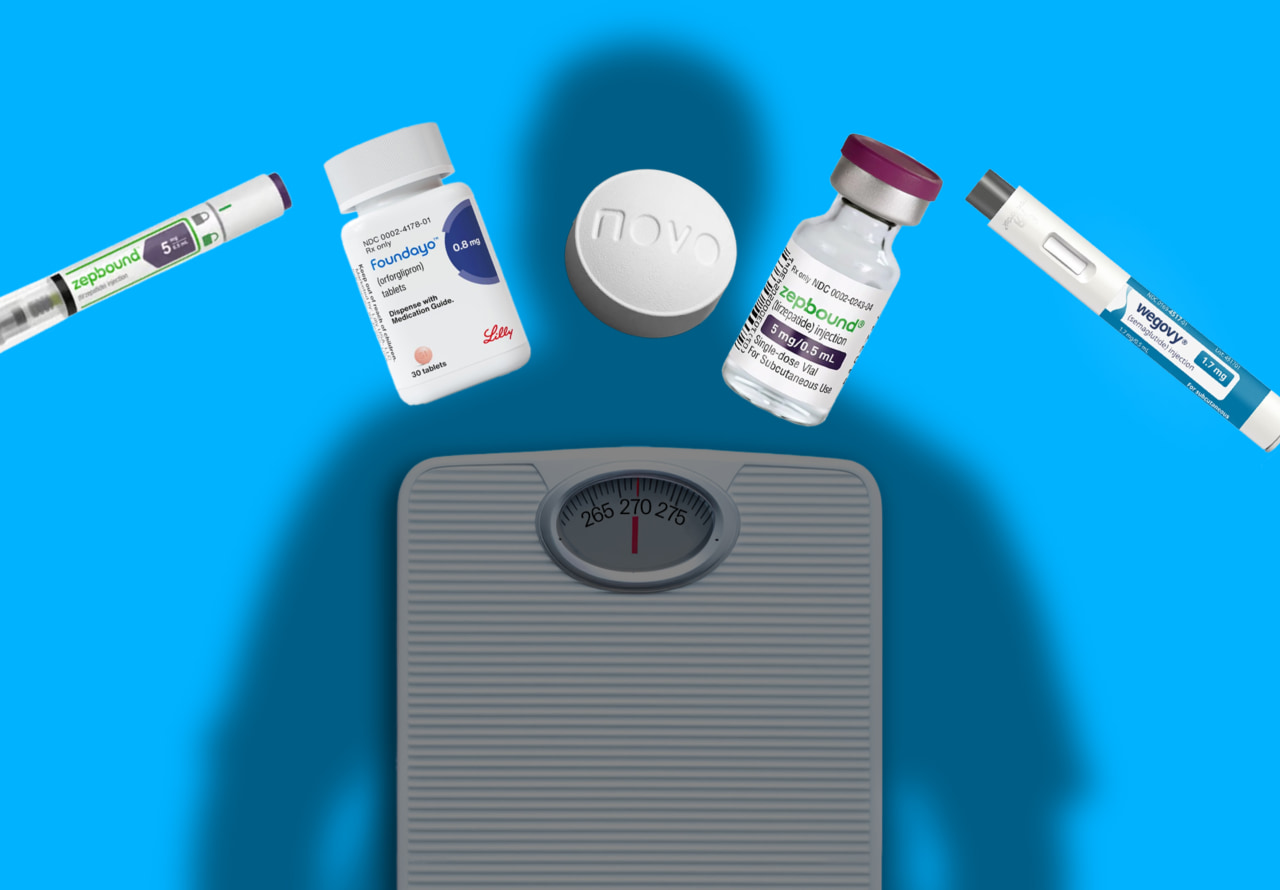
Photo: MarketWatch

The global market for GLP-1 weight-loss medications is undergoing a significant transformation, characterized by the emergence of low-cost generics in India, the introduction of oral formulations in the United States, and a projected surge in retail spending driven by rapid weight loss among patients.

In India, Eli Lilly Co. is losing market share as generic versions of semaglutide flood the market at a fraction of the cost of branded drugs. According to CNBC, while Eli Lilly sees its position erode, Novo Nordisk A/S has managed to hold its ground by implementing deep price cuts to defend the market position of its Ozempic and Wegovy brands. This dynamic highlights the growing pressure on pharmaceutical giants to compete with cheaper alternatives in emerging markets.

Meanwhile, in the United States, the landscape is shifting toward oral administration. Novo Nordisk has launched a pill version of Wegovy, drawing a new wave of patients into GLP-1 treatment. In cross-trial comparisons, Novo Nordisk stated that its oral formulation outperformed Eli Lilly's competing oral GLP-1 drug. CNBC reported on five U.S. patients who recently started the new pill, noting varying initial experiences with the medication. Eli Lilly is also expanding its distribution channels; Amazon Pharmacy announced it will stock Lilly's new weight-loss pill at U.S. kiosks with same-day delivery options. However, Amazon noted that it does not stock injectable versions in kiosks due to refrigeration requirements.

The widespread adoption of these drugs is creating ripple effects beyond the pharmaceutical sector. Apparel retailers are preparing for a potential $13 billion annual boost in spending, according to an estimate by equity research firm Bernstein. The surge is attributed to millions of users losing weight and seeking to refresh their wardrobes as a result of GLP-1 treatments.

In the broader biotechnology sector, investment activity remains robust. Financial Times reported that Neurocrine Biosciences is nearing a deal valued at over $2.5 billion to acquire Soleno Therapeutics, a biotech firm behind the first commercialized drug for extreme hunger caused by Prader-Willi syndrome. Additionally, in the retail pharmacy space, Bloomberg reported that the private equity firm behind Walgreens' $10 billion acquisition plans to double the pharmacy chain's profitability over the next several years.

As the GLP-1 market continues to expand, competition intensifies between major players like Eli Lilly and Novo Nordisk, while the integration of these treatments into daily life drives new opportunities in retail and logistics.

Coverage Analysis

The source reports reveal distinct editorial priorities and framing strategies across the media landscape, moving beyond a simple aggregation of facts to highlight specific narrative angles: corporate strategy, consumer economics, and market infrastructure.

CNBC dominates the coverage with a heavy emphasis on corporate competition and consumer logistics. Its reporting frames the GLP-1 market primarily as a battleground between Eli Lilly and Novo Nordisk. The language used is aggressive and strategic, focusing on 'market share erosion,' 'defending positions,' and 'cross-trial comparisons' where one drug 'outperforms' another. CNBC also uniquely bridges the gap between pharmaceuticals and retail infrastructure, specifically detailing Amazon's logistical constraints (refrigeration) and delivery speeds. This framing suggests an audience interested in the mechanics of market dominance and the practical accessibility of these drugs for the average consumer.

MarketWatch, in contrast, shifts the frame entirely to consumer economics and decision-making. While other outlets discuss market dynamics or corporate deals, MarketWatch's headline focuses on 'how much' drugs cost and 'how to pick the best.' This omission of corporate rivalry in favor of price transparency indicates an editorial priority on individual financial impact and utility, treating the drugs as commodities rather than strategic assets.

Financial Times and Bloomberg provide a macro-level financial infrastructure perspective. Their coverage omits the patient experience or retail logistics entirely, focusing instead on M&A activity (Neurocrine/Soleno) and private equity strategies (Walgreens). The language here is detached and investment-oriented ('nearing a deal,' 'double profitability'), framing the GLP-1 boom as a catalyst for broader capital market movements rather than a healthcare revolution. This omission of the 'human' element (patients losing weight) highlights a focus on institutional investors and corporate restructuring.

The 'Human' Narrative Gap: Notably, the only source providing a human element is CNBC's report on five patients with 'varying initial experiences.' This stands in stark contrast to the sterile, transactional language of Bloomberg and FT. The omission of patient narratives in the financial press reinforces a divide: for general business media, these drugs are assets and liabilities; for specialized consumer outlets like CNBC (in its patient segment), they remain medical interventions with real-world variability.

Why This Matters: These differences reveal how the same market event is segmented for different stakeholders. The 'corporate war' narrative (CNBC) appeals to investors tracking stock performance; the 'consumer guide' narrative (MarketWatch) serves individual buyers; and the 'capital flow' narrative (FT/Bloomberg) serves institutional investors. The synthesis of these sources into a neutral article risks diluting the specific urgency of each perspective—for instance, blending the 'price war' in India with the 'oral pill launch' in the US creates a picture of global expansion, but obscures the specific strategic desperation (Eli Lilly's share loss) that CNBC highlighted as a critical differentiator.

Coverage by Perspective

Center
8

Source Similarity

Connections show how similarly each outlet covered this story. Thicker lines = more similar framing.

Sources (4)

  • cnbc
  • bloomberg
  • ft
  • marketwatch

Original Articles (8)