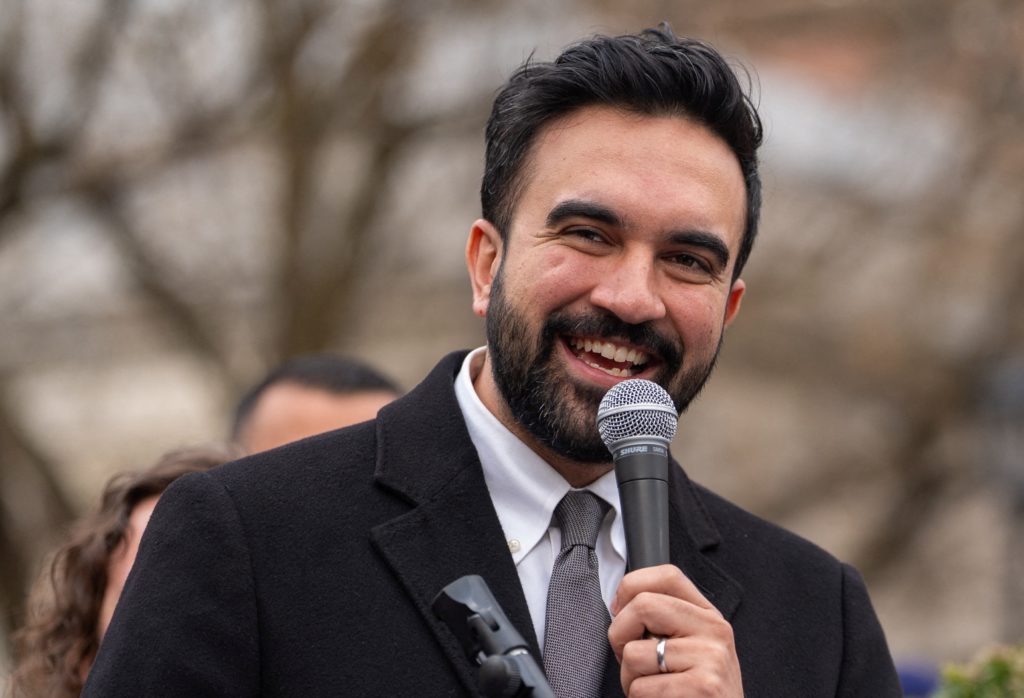
NEW YORK — New York City Mayor Zohran Mamdani marked his first 100 days in office this week, a milestone that has drawn intense scrutiny regarding the implementation of his progressive agenda and the management of the city's fiscal challenges. As he crisscrossed the boroughs, Mayor Mamdani has embraced a governing philosophy described by observers as "sewer socialism," prioritizing tangible public services and infrastructure improvements over high-profile rhetoric.
While the mayor has achieved several quick administrative accomplishments, reports indicate a divergence between his campaign promises and early policy actions. Most notably, Mayor Mamdani acknowledged that the signature pledge to make city buses free will not be fulfilled this year. Citing funding obstacles and ongoing negotiations with the state legislature in Albany, the administration has scaled back the timeline for the initiative. This concession drew criticism from opponents and some voters, though the mayor remains committed to pursuing the goal in future fiscal cycles.
The 100-day mark has also highlighted tensions regarding the city's budget and tax policies. Critics, including the New York Post and various right-leaning outlets, have pointed to a proposed $23 billion in new taxes that the administration has backed. These proposals, which would impact middle-class New Yorkers, face potential hurdles; the City Comptroller recently released a report recommending guidelines for the Revenue Stabilization Fund that could block plans to raid the city's "rainy day" fund.
Public sentiment appears divided. A recent poll cited by the New York Post suggests a majority of voters believe New York City is on the wrong track under Mayor Mamdani, with discontent noted among Hispanic, Black, and Asian voter demographics. Conversely, the mayor has leveraged his profile to engage directly with constituents, hosting tenant reach-out series in each borough and participating in sanitation events. However, some of these appearances have faced criticism; the New York Post reported that the mayor departed early from a Bronx sanitation event he had promised to lead personally.
On the policy front, the administration is moving forward with a Preliminary Citywide Racial Equity Plan. The 375-page document, which spans 45 city agencies, analyzes wealth disparities and has drawn sharp criticism from conservative commentators who characterize the findings as discriminatory. Meanwhile, the mayor continues to grapple with housing and homelessness issues, balancing campaign pledges on housing vouchers with the realities of city governance.
President Donald Trump offered public advice to the mayor on his 100th day, suggesting three tips to improve the city and urging him to "make it sparkle." The administration has also faced questions regarding its relationship with Jewish voters, with one of the mayor's legal advisers describing him as a "real political leader" for Gen Z Jews, despite the administration's broader progressive platform.
As Mayor Mamdani transitions from his initial 100 days, the focus remains on whether he can sustain the momentum of his election victory while navigating complex fiscal constraints and delivering on a mix of unfulfilled promises and new policy initiatives.