Global Bond Yields Soar as Inflation Concerns Drive Up Borrowing Costs
-
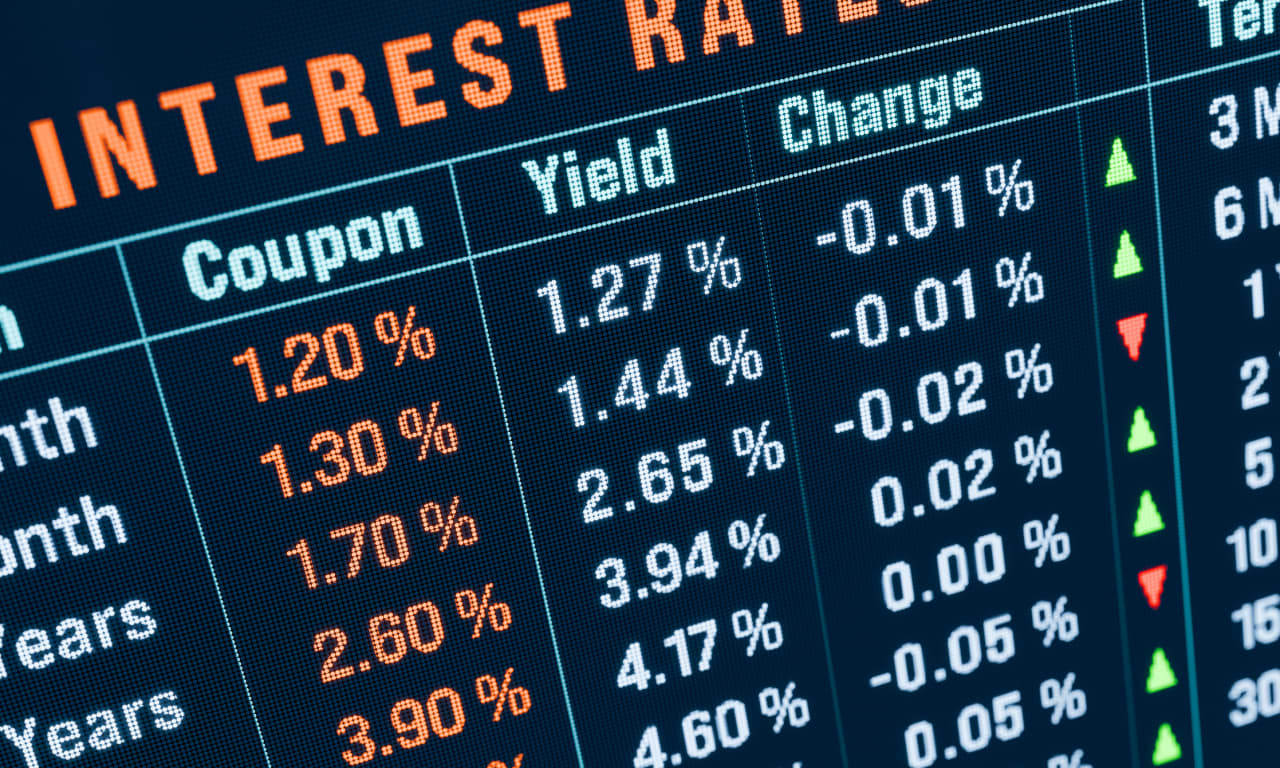
Resurging fears around inflation are sending government borrowing costs higher across the globe, with many longer-maturity bond yields hovering near multi-decade highs.
Compare 4 other versions
Financial TimesGlobal bond sell-off deepens amid fears over inflation and AI issuance Long-term government borrowing costs hit multi-decade highs
MarketWatchThe sell-off in global bond markets continued early Tuesday, pushing many benchmark borrowing costs to multi-year highs amid concerns about inflation, government budget deficits and increased supply of debt.
BloombergBond Yields Are Hitting Multidecade Highs Around the World Everything from inflation to the AI boom is pushing borrowing costs higher.
Epoch Times BusinessGould attributed factors such as investors weighing inflation expectations, growing federal deficits, stronger-than-expected economic data, and the increased issuance of Treasurys to finance government spending as contributing to elevated long-term yields.
-
The yield on Japan's long-dated government bonds hovered near levels reached in May, when yields hit 40-year highs. Germany's 30-year bond yield was last seen at its highest since 2011, while their British counterparts approached a multi-decade high. French 30-year government bond yields also ticked upward to a post-2008 high.
Compare 1 other version
BloombergGermany Is Set to Sell 30-Year Bonds at Highest Yield Since 2011 Germany’s borrowing costs are poised to hit a 15-year high in a major sale of long-dated bonds as investors demand greater compensation for lending to increasingly indebted governments still grappling with inflation.
-
At 4:16 a.m. ET, yields on U.S. 30-year Treasurys were up almost 2 basis points to 5.3275%, the highest level since 2002. The yield on 20-year Treasury notes hit a post-2006 high, while the benchmark 10-year Treasury yield was last seen at 4.74%, its highest since 2007.
Compare 1 other version
MarketWatchThe yield on the U.S. 30-year Treasury BX:TMUBMUSD30Y, known as the long bond, which is particularly sensitive to rising inflation, is up nearly 2 basis points to 5.234%, its highest level since June 2007.
-
Deutsche Bank's Jim Reid said in a note that there hadn't been a single catalyst for the declines in the bond market over the past 24 hours, "but with few signs of the US and Iran coming to any sort of a deal, that meant investors priced in a more extended closure of the Strait of Hormuz."
4 details only one outlet reported
Independent claims that didn't surface elsewhere in our corpus. Treat as supplementary — not corroborated across outlets.
-
01 Bloomberg US 10-Year Yields Climb to Highest Since 2025 as Rout Deepens A deepening global bond selloff sent the US benchmark yield to the highest since early 2025, as thin August trading met investors wary of inflation and a deluge of corporate debt supply.
-
02 MarketWatch Need to Know Stocks keep shrugging off rising Treasury yields. Here’s the level that could finally trigger a selloff.
-
03 CNBC Overnight, a cargo vessel was struck by a projectile as it transited the Strait of Hormuz — a waterway that acts as a critical shipping route for global trade and has become a key sticking point in negotiations. The effective closure of the strait throughout the nearly six-month war has seen the cost of energy and other vital commodities rise.
-
04 Epoch Times Business The U.S. 30-year Treasury yield is trading at levels last seen 19 years ago, near the onset of the 2008 global financial crisis.
Fact Corroboration
Which sources independently confirm the same facts. Hover a claim to see its sources, or a source to see what it corroborates.
Coverage by Perspective
Source Similarity
Connections show how similarly each outlet covered this story. Thicker lines = more similar framing.
Sources (5)
- marketwatch
- cnbc
- epochtimes-biz
- bloomberg
- ft