Garmin Reveals New Fenix 9 Smartwatches with Enhanced Features and Expanded Pricing
-
Garmin just took the wraps off its new line of rugged Fenix 9 smartwatches, with the base model featuring an OLED display with a brightness of up to 3,000 nits, making it twice as bright as its predecessor. Starting at $999.99 for the 43mm case option, the Fenix 9 has 50 percent more RAM and an upgraded map engine, allowing for faster panning.
Compare 2 other versions
ZDNetGarmin's new lineup features the Fenix 9, 9 Pro, and 9 Pro Solar. The Fenix 9 and 9 Pro have bright AMOLED displays, while the Pro Solar has a solar charging glass display with MIP technology for longer battery life and the ability to charge while outside.
CNETGarmin’s high-end, all-out sports watch just stepped it up. The company unveiled the Fenix 9 and Fenix 9 Pro, along with a solar-powered version of the Pro. The latter gets the first titanium case on a Fenix, pushing Garmin’s flagship even further into luxury sports watch territory.
-
And satellite SOS now comes in a smaller package. Garmin debuted LTE and satellite connectivity on the Fenix 8 Pro last year, but the feature was limited to its larger 47mm and 51mm sizes. The Fenix 9 Pro extends that option across to the 43mm model, meaning people with smaller wrists (like me) no longer have to sacrifice comfort for access to Garmin’s safety features.
Compare 1 other version
ZDNetYou want InReach capability on a smaller watch The Fenix 9 Pro comes in three case sizes with InReach satellite/LTE support for the 43, 47, and 51 mm models. Garmin's InReach subscription provides you with unlimited LTE messaging and calling service with various levels of satellite support.
-
At $1,000 and up, it’s still a serious splurge, especially when there are so many other more affordable and capable options in Garmin’s line-up. And if prices on the Fenix 8 Pro start to drop, it could become the better deal for people who still want weeks of battery life and satellite connectivity but don’t need the brighter screen, titanium case, faster maps or 43mm option.
Compare 1 other version
ZDNetThere's no way around it: the Fenix series are expensive watches. If you're looking for a model with InReach satellite support and long battery life, buying the Fenix 8 Pro is a solid consideration. You can use that $250 savings to buy more bands, purchase the InReach service, or consider the Garmin Cirqa as a smaller Garmin device to track your sleep.
-
Fenix 9 and Fenix 9 Pro pricing and availability The Fenix 9 and Fenix 9 Pro are available to order starting Aug. 28. The Fenix 9 starts at $1,000, while the Fenix 9 Pro starts at $1,100, both with AMOLED displays. There’s also a solar-powered Fenix 9 Pro in 47mm and 51mm sizes, starting at $1,200.
Compare 2 other versions
ZDNetThe Fenix 9 starts at $999 for the 43mm, and is available in 47mm and 51mm band sizes. The Fenix 9 Pro comes in the same three band sizes, starting at $1,099. The Fenix 9 Pro Solar is only available in 47mm and 51mm sizes, and also starts at $1,099. All the new devices will be available to order on August 28th, 2026.
The VergeThe Fenix 9 Pro starts at $1,099.99 and expands on these upgrades with a new titanium case. It has InReach satellite or LTE connectivity available on all three 43mm, 47mm, and 51mm options for an extra $100 and a $7.99 / month subscription. The largest Fenix 9 Pro variation also offers a 1.5-inch OLED display for the first time. That’s just a little bigger than the 1.3-inch and 1.4-inch displays available with the smaller case sizes across the Fenix 9 lineup.
4 details only one outlet reported
Independent claims that didn't surface elsewhere in our corpus. Treat as supplementary — not corroborated across outlets.
-
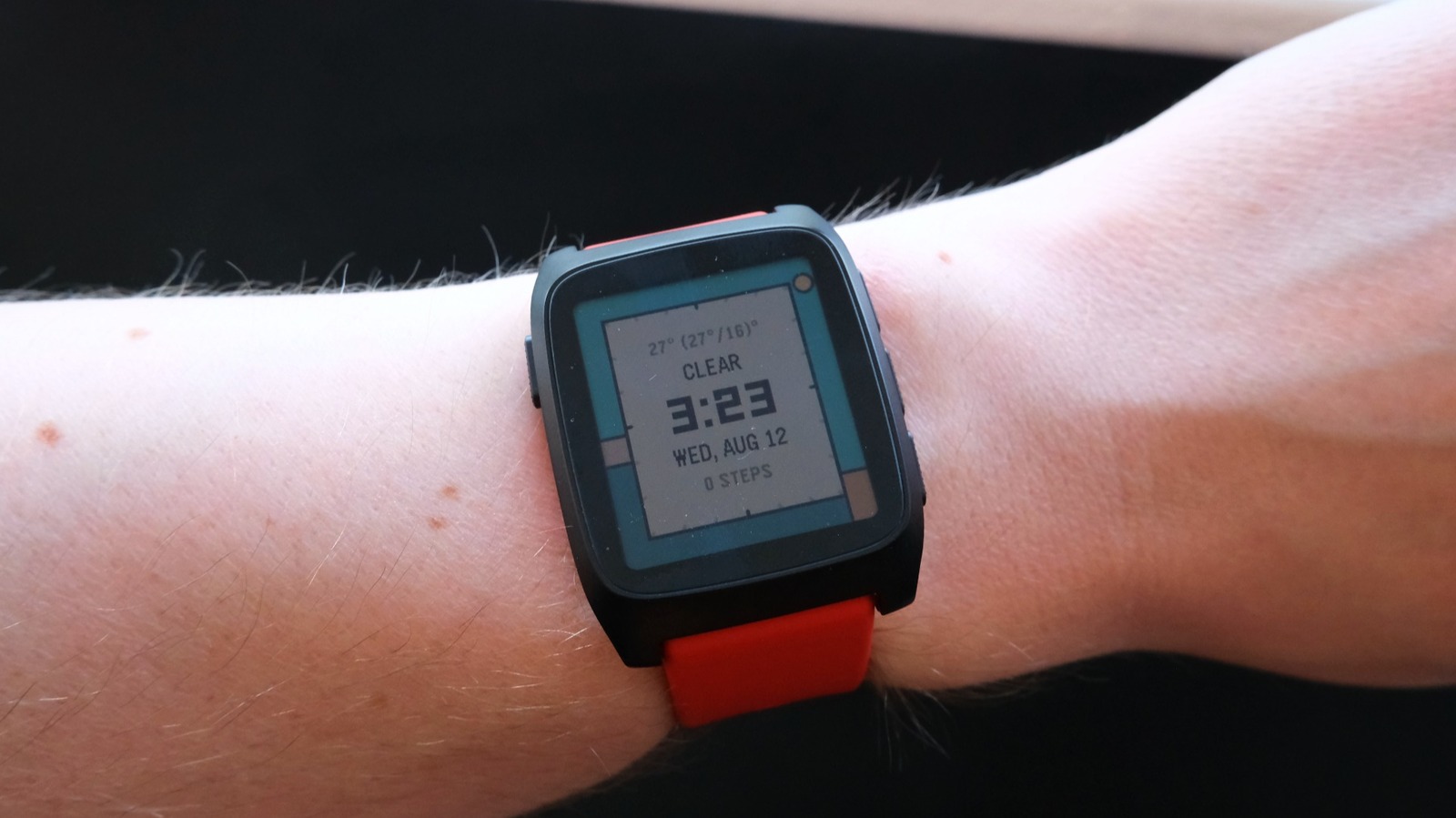
01 Engadget So, imagine my delight to see Pebble, back from the dead after nearly a decade in limbo, offering something that now feels radical. Not because of what it does, but because of what it doesn't do. Because this isn't a fitness watch, or a general-purpose computing platform on the wrist, it's a second screen for your phone. You can read notifications, control music playback, check the weather and run basic apps that do a single job at a time. And that's it. This is a watch not for general-purpose users, but for everyone who feels that smartwatches got worse as their missions expanded.
-
02 ZDNet Let's take a closer look at how the Fenix 9 Pro stacks up to the Fenix 8 Pro, now that I have spent two years with it on my wrist.
-
03 Gizmodo After leaving Google post-Fitbit acquisition, co-founders James Park and Eric Friedman expanded their focus from the health of individual users to the health of whole families through a startup called Luffu and an AI-powered app that can track medication, log users’ meals, and generally lighten the cognitive load of caregivers and parents. Luffu’s next evolution of that idea is the recently announced Luffu Link, a wearable device that offers the health tracking similar to the Fitbit Air, with extra wrinkles that make it more than just another fitness band.
-
04 CNET The LTE versions of the Pro with satellite connectivity require an active subscription to inReach, Garmin’s satellite connectivity service. Its entry-level plan costs $8 a month and includes a 30-day free trial, but emergency SOS messaging remains free for up to 12 months after the trial ends. Other satellite messages may incur additional per-use charges depending on the plan.
Fact Corroboration
Which sources independently confirm the same facts. Hover a claim to see its sources, or a source to see what it corroborates.
Coverage by Perspective
Source Similarity
Connections show how similarly each outlet covered this story. Thicker lines = more similar framing.
Sources (5)
- verge
- cnet
- gizmodo
- zdnet
- engadget