Global Aviation Braces for Jet Fuel Shortage as Hormuz Strait Closure Threatens Supply Chain

Broke: Updated:
Global Aviation Braces for Jet Fuel Shortage as Hormuz Strait Closure Threatens Supply Chain
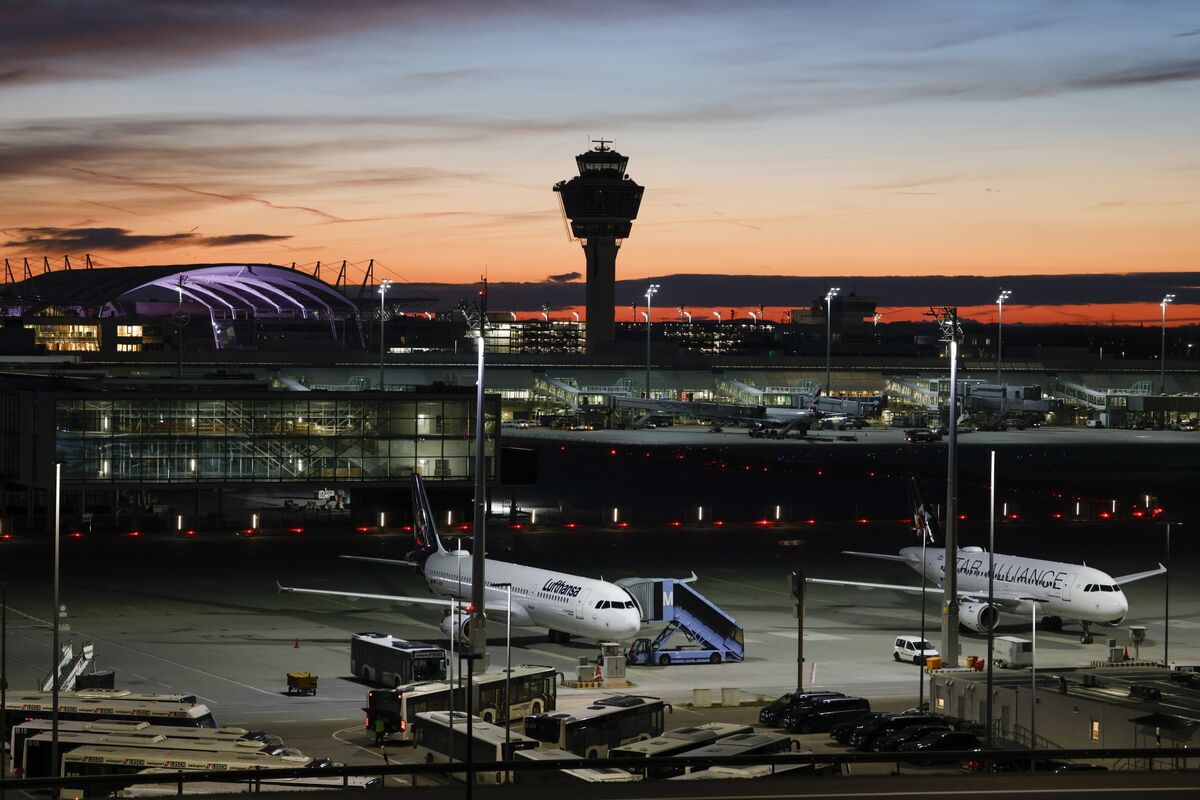
Photo: Bloomberg

The global aviation industry is facing a critical jet fuel shortage that could persist for months, with trade groups warning of systemic disruptions comparable to the aftermath of the September 11 attacks. The crisis stems from the effective closure of the Strait of Hormuz by Iran, which has stranded a significant proportion of global jet fuel shipments and forced refineries in Asia to cut production.

Willie Walsh, director of the International Air Transport Association (IATA), stated that unlike crude oil, jet fuel lacks strategic reserves. This absence of a buffer has prompted the aviation industry to take immediate action amid escalating tensions in the region. "Unlike crude, jet fuel does not appear to have strategic reserves," Walsh said, highlighting the vulnerability of the sector.

In Europe, the situation is particularly acute. The European Airport Industry trade body warned that if the Strait of Hormuz does not reopen within the next three weeks, a systemic jet fuel shortage will become a reality for the European Union. Financial Times and Bloomberg reported that industry groups are already preparing for flight cancellations as airport reserves run low. The potential shortage has already led to airlines cutting services and hiking ticket costs across the continent.

The impact extends beyond Europe. In the United States, fuel prices have nearly doubled since attacks by the U.S. and Israel on Iran. The disruption has forced airlines to weigh flight cancellations as supply chains falter. Bloomberg reported that the effective closure of the strait has disrupted global aviation, with refineries in Asia reducing output due to the inability to transport fuel.

Experts caution that even if the Strait of Hormuz reopens, replenishing jet fuel supplies could take months. The combination of geopolitical instability and the lack of strategic reserves has created a precarious situation for airlines worldwide, threatening to disrupt travel schedules and increase costs for passengers in the coming weeks.

Coverage Analysis

The coverage of the jet fuel crisis reveals distinct editorial priorities across the political spectrum, primarily driven by how outlets frame the causal link between geopolitical conflict and economic consequence.

Lean Left (Fortune): The Human & Systemic Impact Frame Fortune adopts a narrative of systemic fragility and historical comparison. By explicitly invoking the '9/11 attacks' in its headline, Fortune frames the crisis not just as a logistical hiccup but as an existential threat to global connectivity. The emphasis on Willie Walsh's quote regarding the 'lack of strategic reserves' serves a specific purpose: it highlights structural vulnerability rather than just market fluctuation. This framing invites the reader to view the aviation industry as a critical infrastructure failing under pressure, subtly critiquing long-term policy failures (the lack of reserves) rather than just the immediate geopolitical event.

Center (BBC, CNBC, Bloomberg, FT): The Geopolitical & Market Mechanism Frame Center-left and centrist outlets (BBC, CNBC, Bloomberg, FT) prioritize precision, causality, and immediate market mechanics. Their framing is more clinical and data-driven.

  • Causality & Attribution: Unlike Fortune's broader 'systemic' warning, the center outlets (BBC, CNBC, Bloomberg) are hyper-specific about the timeline ('three weeks') and the specific actor responsible for the disruption (Iran's closure of the Strait). Bloomberg, in particular, uses strong active verbs ('stranded,' 'cut production') to describe the physical mechanics of the supply chain failure.
  • The US vs. Europe Divide: A critical omission in Fortune's coverage is the specific impact on the United States. The center outlets (specifically CNBC and Bloomberg) explicitly detail that fuel prices in the US have 'nearly doubled' following attacks by the U.S. and Israel. This inclusion is significant; it grounds the story in a direct consequence of US foreign policy for an American audience, whereas Fortune's 'Lean Left' framing focuses more on the global industry's structural weakness.
  • Language of Uncertainty: The center outlets frequently use conditional language ('if,' 'could,' 'fears') to describe the shortage. This reflects a journalistic standard of distinguishing between a warning and an established fact, whereas Fortune's headline presents the comparison to 9/11 as a definitive warning from the trade group.

Key Divergence: The 'Why' vs. The 'What' The most meaningful difference lies in the narrative arc. Fortune frames the story as a warning about vulnerability (we are unprepared, like in 2001). The center outlets frame the story as a report on consequences (prices are up, flights are cut because of specific actions in the Middle East). The center outlets provide the 'who' (Iran, US/Israel) and the 'how much' (prices doubled), while Fortune provides the 'so what' (the industry is structurally broken). This suggests that center outlets are prioritizing the immediate geopolitical accountability and consumer impact, while the lean-left outlet is prioritizing the broader systemic critique of global supply chain resilience.

Coverage by Perspective

Lean-Left
1
Center
7

Source Similarity

Connections show how similarly each outlet covered this story. Thicker lines = more similar framing.

Sources (5)

  • fortune
  • bbc-biz
  • cnbc
  • bloomberg
  • ft

Original Articles (8)