WASHINGTON — President Donald Trump has delayed a threatened U.S. military strike on Iran's energy infrastructure by 10 days, setting a new deadline of April 6 at 8 p.m. Eastern Time for the country to reach an agreement with Washington, according to a post on his Truth Social platform. The delay comes as the conflict in the Middle East enters its fifth week, with oil prices surging and global markets reacting to fears of a prolonged war.
In the announcement, Trump stated that the pause was granted "as per Iranian Government request," though Iranian officials have previously rejected direct negotiations with the U.S. administration. The President warned that if a deal is not reached by the new deadline, the U.S. military will "obliterate all" of Iran's desalination plants and energy infrastructure. This threat has drawn sharp criticism from human rights organizations and legal experts, who argue that targeting civilian water and power facilities constitutes a violation of international law and potential war crimes.
The escalation has already triggered significant economic repercussions. Oil prices have climbed above $115 a barrel, marking the highest levels since Russia's invasion of Ukraine. The disruption to global energy markets has been exacerbated by Iran-backed Houthi militants in Yemen, who launched ballistic missiles at Israel over the weekend. While Israeli defenses intercepted the attack, the move signals a widening of the conflict as regional proxies join the fighting.
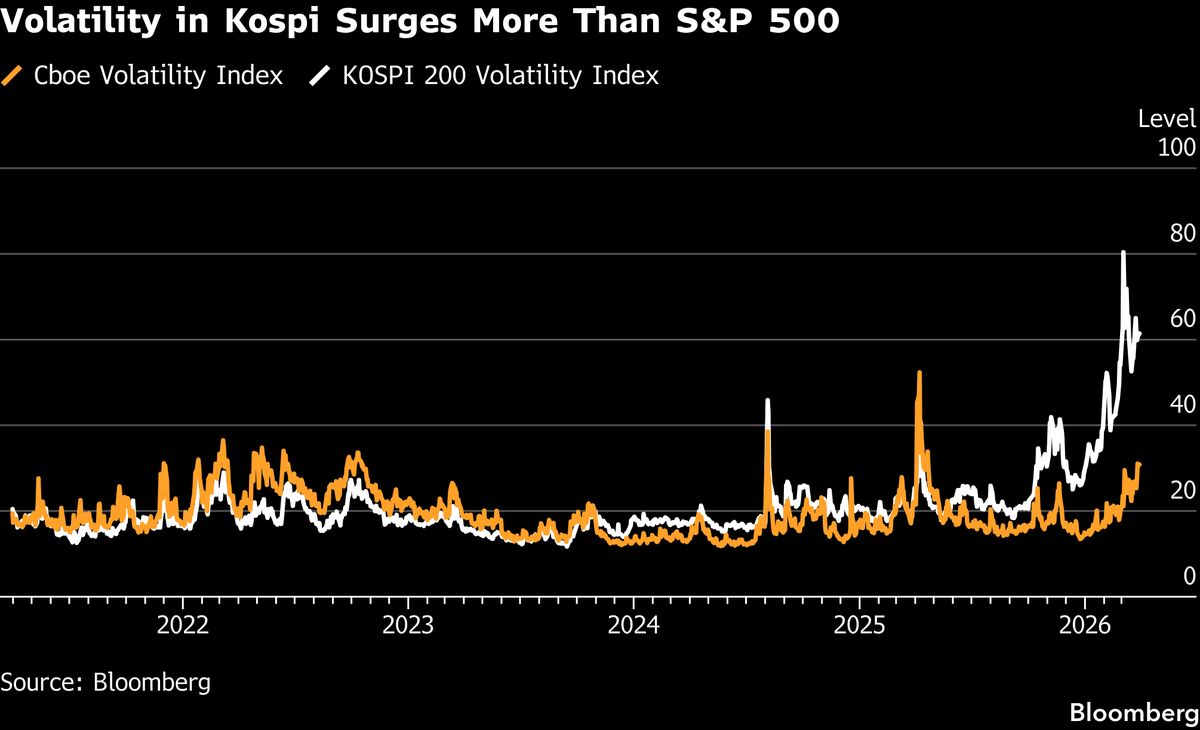
Financial markets have struggled to stabilize amid the uncertainty. The S&P 500 has fallen 7.7% since the conflict began, outpacing declines seen during previous geopolitical shocks. Wall Street strategists have noted that the war is driving stagflation fears, with gas prices hitting record highs and major corporations warning of supply chain strains. The U.S. Postal Service has even requested an 8% fuel surcharge to cover rising transportation costs, while the U.S. Postal Service and other logistics firms face increased operational expenses.
Military tensions remain high as the Pentagon reportedly considers a "final blow" against Iran. Sources indicate that options under review include an invasion or blockade of Kharg Island, the primary hub for Iran's oil exports. The Financial Times reported that Trump has expressed interest in seizing the island to take control of Iran's oil reserves, a move that would further destabilize global energy supplies. Additionally, the U.S. has deployed thousands of troops to the region, raising concerns about a potential ground invasion.
Despite the deployment of forces and continued strikes by U.S. and Israeli aircraft, signs of a diplomatic breakthrough remain elusive. Trump claimed on Air Force One that Iran had "given" the U.S. most of the demands in a 15-point peace plan, despite Tehran's previous rejection of the proposal. Conversely, Iranian officials maintain that they are reviewing U.S. terms but have ruled out direct talks.
The human cost of the conflict is also rising. A strike by Iran on a U.S. base in Saudi Arabia reportedly injured 12 troops, bringing the total number of U.S. casualties since the war began on February 28 to more than 300. As the deadline approaches, investors and policymakers alike are bracing for further volatility in energy markets and potential military escalation across the Middle East.