BEIRUT/TEHRAN — A fragile two-week ceasefire between the United States and Iran, brokered by Pakistan and announced Tuesday night, faces immediate strain following a massive Israeli airstrike campaign in Lebanon that killed at least 250 people. While Washington and Tehran claimed victory on the agreement, which included Iran reopening the Strait of Hormuz, Israel insisted its operations against Hezbollah in Lebanon were not covered by the truce.
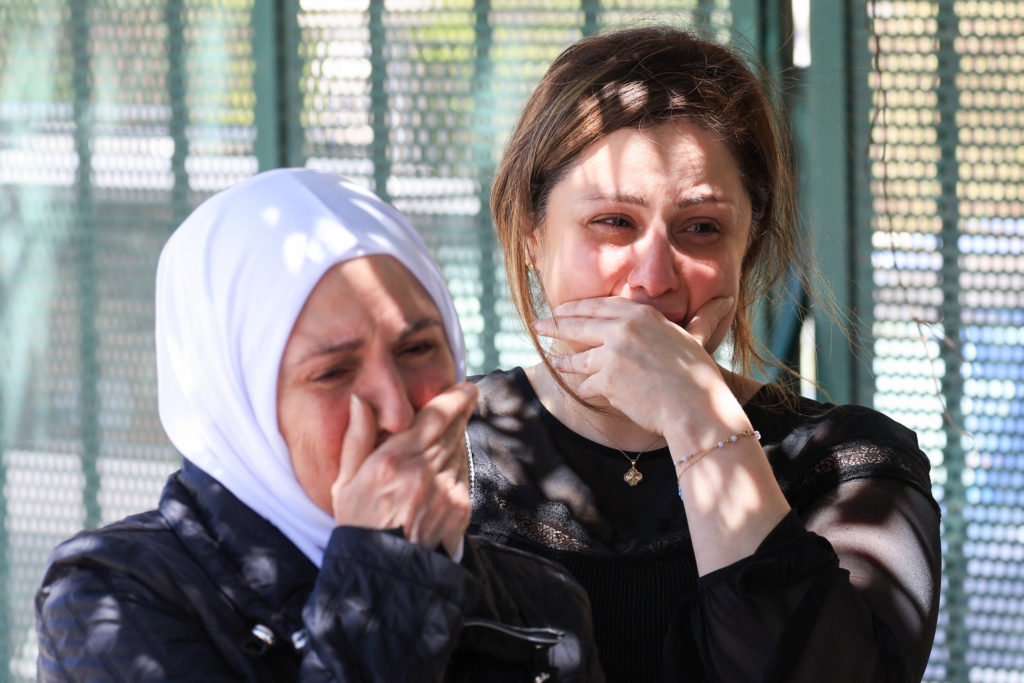
The strikes, described by Israel as its most powerful assault on Lebanon since the escalation of hostilities began weeks ago, targeted more than 100 sites in densely populated areas of Beirut and southern Lebanon within a 10-minute window. The Lebanese Ministry of Health reported at least 250 deaths and hundreds more wounded, marking the deadliest single day in the ongoing conflict. Israeli Prime Minister Benjamin Netanyahu stated that the agreement with the U.S. did not include halting attacks on Hezbollah, a move that has drawn sharp condemnation from Tehran.
Iranian officials and Pakistani mediators have asserted that the ceasefire terms, which were reached less than two hours before President Trump's deadline to destroy Iranian infrastructure, applied "everywhere," including Lebanon. Iran's deputy foreign minister warned that the U.S. must choose between "war and ceasefire," while Iranian President Masoud Pezeshkian stated that continued Israeli aggression would render negotiations "meaningless" and constitute a flagrant violation of the deal.
In response to the attacks, Iranian state media reported that Tehran had closed the Strait of Hormuz to commercial traffic. However, White House press secretary Karoline Leavitt disputed this assessment, stating that the administration had observed an uptick in shipping activity. Independent tracking data and reports from multiple outlets indicate that traffic through the vital waterway remains at a virtual standstill, with only a handful of vessels passing since the ceasefire announcement. Iran has cited safety concerns regarding potential sea mines as a reason for the disruption.
President Trump characterized the Israeli bombardment of Lebanon as a "separate skirmish" not included in the U.S.-Iran agreement during an interview with PBS NewsHour. However, reports indicate that Trump has personally contacted Prime Minister Netanyahu to request a reduction in the scale of strikes. "I told him to pull back," Trump said, according to The Hill, acknowledging the operation threatened the broader diplomatic breakthrough.
Amidst the escalating violence and diplomatic friction, Netanyahu announced Thursday that Israel would begin direct negotiations with the Lebanese government. The talks are intended to focus on the disarmament of Hezbollah and the establishment of a security framework, though no timeline was provided for when these discussions would commence.
The situation has created a complex diplomatic landscape where conflicting narratives dominate. While the U.S. and Iran celebrated a pause in direct hostilities, the continuation of Israel's offensive has left the ceasefire teetering. Analysts warn that if the attacks continue, Iran may withdraw from the agreement, potentially reigniting a broader regional war. As of Thursday morning, shipping lanes remained largely closed and the death toll in Lebanon continued to rise, casting doubt on the durability of the 14-day truce.